
The Future of Electric Hoverboards and Self-Balancing Devices
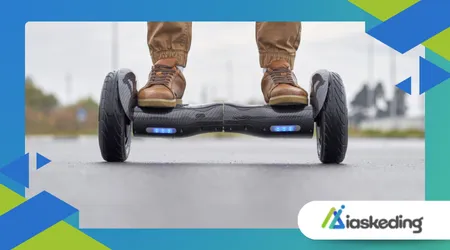
The relentless evolution of personal transportation is driving a new era, and at the forefront is the Future of Electric Hoverboards and Self-Balancing Devices.
These gadgets, once considered mere toys, are rapidly transforming into sophisticated, indispensable tools for urban micro-mobility, showcasing a profound shift in how people perceive short-distance travel.
The journey from initial viral sensation to serious transport contender is a fascinating one, powered by relentless technological refinement and a growing global need for sustainable, efficient movement within congested cities.
How Are Self-Balancing Devices Redefining Urban Mobility?
Urban environments present a formidable challenge to conventional transport. These compact, electric devices offer a compelling solution to the infamous “last-mile problem.”
Getting from a bus stop to your office is often more time-consuming than the main commute itself. Enter the electric hoverboard, bridging that gap effortlessly.
They are not just recreational items; they are proving their worth as essential connectors in a multi-modal transport chain. This integration into daily routines is a strong indicator of their enduring relevance.
What truly separates the latest models from their predecessors is intelligent engineering.
Advanced gyroscopic sensors and superior motor controls translate subtle shifts in a rider’s weight into smooth, instantaneous acceleration and steering.
++Are Electric Cars Safer in Collisions? Data You Should Know
This precision offers a sense of fluidity and control previously unattainable in earlier designs.
Think of the transition from early landline phones to modern smartphones; both communicate, but one offers an infinitely richer, more capable experience.
What Technological Leaps Are Powering the Next Generation?
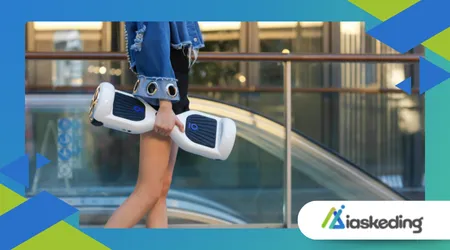
The core of this revolution lies in the battery and sensor technology. Newer models are leveraging cutting-edge lithium-ion packs and even exploring solid-state alternatives.
This focus is directly addressing the two main consumer hesitations: range and safety.
The result is a device that can travel further and charge faster, mitigating the ‘range anxiety’ common with earlier generations. Manufacturers are also integrating intelligent systems for predictive maintenance.
++Comparing the Lifespan of Electric and Gas-Powered Scooters
The market for self-balancing devices is demonstrating robust growth globally, underscoring this technological appeal.
| Market Segment | 2025 Estimated Value (Millions USD) | Dominant Feature |
| Hoverboard/Scooter | $1,758.90 | Two-Wheel Design for Stability |
| Self-Balancing Mobility | $2,730.70 | Integration in Micro-Mobility Services |
Data compiled from Deep Market Insights and Archive Market Research 2025 projections.
This significant valuation reflects consumer confidence in improved design and dependability.
The shift to larger, more robust wheel sizes also allows devices to tackle varied terrain, moving beyond perfectly smooth pavements.
Why Is Battery Technology Crucial for the Future of Electric Hoverboards and Self-Balancing Devices?
Battery advancements dictate the utility and adoption rate of any electric vehicle.
The next-generation battery architecture promises to reduce charging time dramatically while extending travel distances significantly.
This efficiency is critical for both personal use and for growing sharing economy fleets. A device that can achieve an 80% charge in under ten minutes becomes vastly more practical for urban commuting.
Imagine a logistics worker efficiently navigating a massive warehouse or industrial complex on a robust, all-terrain electric board.
This is an example of an original commercial application moving beyond simple recreation.
++Comparing EV vs Hybrid vs Fuel Cell & Hydrogen: Pros, Cons, and Real-World Usage
It demonstrates how improved battery life and durable construction fundamentally change the device’s economic value.
This increased performance makes them viable for roles requiring speed and agility across large areas.
How Will Smart Connectivity and Safety Features Transform the User Experience?
The integration of IoT (Internet of Things) and AI is the key differentiator for the modern self-balancing device.
Smart connectivity features like GPS tracking, remote diagnostics, and app-based ride customization are becoming standard.
This allows users to monitor battery health and tailor riding modes from their phones, enhancing personal safety and security.
For example, some high-end devices now utilize AI to analyze riding patterns and road conditions.
This sophisticated system can automatically adjust motor torque to maintain stability on uneven surfaces, or even provide haptic feedback to warn of potential collision hazards.
This is an original example of AI-powered safety, turning the device into an active co-pilot rather than a passive platform.
Will we reach a point where these devices are safer than walking in a busy city? The technology certainly points in that direction.
The commitment to safety has been reinforced by industry efforts and regulatory compliance.
The market is increasingly adopting features such as advanced gyroscopic stabilization, bright LED lighting, and pressure-sensitive turn signals.
This has led to a remarkable increase in consumer trust and regulatory acceptance.
What Role Do Electric Hoverboards Play in the Green Mobility Revolution?
As global cities strive for lower carbon footprints, electric micro-mobility solutions are essential. Choosing an electric hoverboard over a car for a two-mile commute directly contributes to reducing local emissions.
The Future of Electric Hoverboards and Self-Balancing Devices is intrinsically linked to the broader push for sustainable urban living.
A study from Deep Market Insights estimates the recreational segment accounted for over 53% of the market share in 2024.
While recreation remains significant, the utility-driven personal commuting segment is expected to rise sharply as performance and regulatory frameworks mature.
This movement towards practicality is inevitable.
As the technology becomes more refined and the price-to-performance ratio improves, these devices will become the default choice for short journeys, akin to how bicycles became common in dense European cities a century ago.
This simple analogy highlights their potential for widespread, systemic adoption in urban transport infrastructure.
This video reviews some of the top-performing hoverboards available in 2025, detailing their features, which is highly relevant to understanding the current state of technology discussed in the article. Best Hoverboards 2025 – (Which One Won’t Break… Or Break the Bank?)
Conclusion: The Defining Element of Micro-Mobility’s Future
The evolution of the Future of Electric Hoverboards and Self-Balancing Devices is a clear indicator that the era of personal, electric micro-mobility is here to stay.
Through advancements in battery technology, sophisticated AI-driven safety features, and a stronger focus on all-terrain capability, these devices are transcending their early image.
They are poised to become a high-value, high-tech component of the global effort to create smarter, greener, and less congested cities.
The next decade will see these devices fully integrated into the fabric of urban life, not just for fun, but as a genuine, efficient transportation solution.
Frequently Asked Questions: Future of Electric Hoverboards and Self-Balancing Devices
What are the key safety improvements in modern self-balancing devices?
Modern devices feature advanced gyroscopic sensors, UL-certified lithium-ion batteries to prevent overheating, pressure-sensitive turn signals, and in some high-end models, automated speed limits and collision warning systems.
Are self-balancing devices suitable for daily commuting?
Yes, increasingly so. Enhanced battery range, faster charging, and more durable, all-terrain designs make them highly suitable for the “last-mile” commute, connecting users between public transport hubs and their final destinations.
How is AI being used in the new generation of hoverboards?
Artificial Intelligence is used to analyze rider input and road conditions in real-time. This allows the device to automatically adjust motor response and stabilization for a smoother, safer ride, and to offer features like predictive maintenance and theft prevention via smart apps.
What is the anticipated market growth for this technology?
The global self-balancing mobility market is projected to reach approximately $4.2 billion by 2033 (Conservative projection based on a 5% CAGR from a $2730.7M 2025 estimate), driven by urbanization and the demand for eco-friendly transport solutions.
