
How to Start an E-Bike Delivery Business
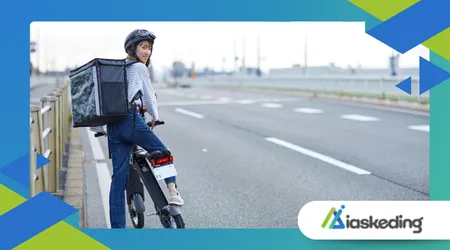
In a world where urban logistics are being reinvented, the question of to start an e-bike delivery business is more relevant than ever.
This isn’t just about a new mode of transport; it’s about a fundamental shift in how goods move through our cities.
The electric bicycle, with its nimble frame and silent power, is no longer a fringe option but a powerful contender for last-mile delivery.
Its low operational costs, combined with a growing demand for sustainable solutions, have positioned it as a smart, profitable business venture for 2025 and beyond.
The urban landscape is changing fast. Congestion, rising fuel prices, and increased environmental awareness have created a perfect storm for e-bike adoption.
Think of a busy city street, choked with trucks and cars. Now, imagine a swift, silent fleet of e-bikes weaving through, delivering packages efficiently.
That’s not a vision of the future; that’s the current reality for many forward-thinking businesses.
Initial Investment: More Than Just the Bikes
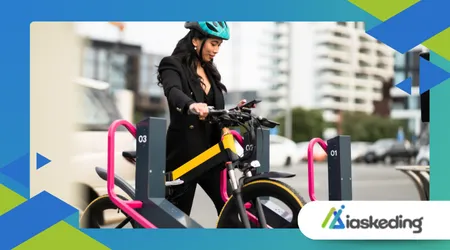
To embark on this journey, one must first understand the financial layout. The cost to start an e-bike delivery business is significantly lower than a traditional van fleet.
Your most substantial expense will be the bikes themselves. However, a quality e-bike designed for commercial use can range from $1,500 to $8,000, depending on its features.
Choosing the right models is a critical step. For example, a cargo e-bike with a robust frame and extended battery range is essential for handling large orders.
In contrast, a lighter, more agile model might be better suited for quick, small-item deliveries. The number of bikes you acquire will directly impact your startup capital.
Beyond the bikes, there are other crucial investments. This includes fleet management software, essential for tracking deliveries and optimizing routes.
++Top Hidden Costs of Owning an Electric Vehicle
You’ll also need secure storage and charging facilities for your fleet. Investing in proper maintenance tools and spare parts is also key to minimizing downtime.
| Expense Category | Estimated Cost Range (Per Bike) |
| Commercial-grade e-bike | $2,000 – $6,000 |
| Battery & Charger (Extra) | $500 – $1,000 |
| Cargo Attachments & Racks | $150 – $400 |
| GPS Tracker & Telemetry | $100 – $250 |
| Maintenance & Tools (Annual) | $300 – $500 |
This table provides a realistic look at the per-unit costs you can expect.
Note that these figures are based on professional-grade equipment, which is a necessity for a scalable business. You can’t rely on consumer-grade bikes for continuous, heavy-duty use.
The Operational Blueprint: From Routes to Riders
Once the initial investments are secured, the focus shifts to operations. The efficiency of your business will hinge on a well-designed operational blueprint.
++How Safe Are Electric Public Transport Options?
This includes planning delivery routes that maximize speed and minimize battery usage. It also involves hiring and training a team of reliable riders who understand urban navigation and customer service.
One cannot overstate the importance of a solid team. Your riders are the face of your business, and their professionalism directly impacts customer satisfaction.
Proper training on e-bike safety, efficient packing, and handling customer interactions is crucial.
It’s like a well-oiled machine, where every component, from the rider to the software, must work in perfect harmony.
Another key consideration is the battery management strategy.
++How to Maintain Your Electric Bike or Scooter
For example, a swappable battery system can drastically reduce downtime, allowing riders to swap out a depleted battery for a fully charged one in seconds.
This is especially vital for high-volume operations where time is of the essence.
Sustainability and Profitability: A Synergistic Relationship
The environmental benefits of e-bike delivery are a powerful marketing tool. E-bikes emit zero tailpipe emissions, making them a cornerstone of green logistics.
This appeals to a growing segment of consumers and businesses prioritizing sustainability.
It’s a win-win scenario: you build a profitable business while contributing to a cleaner urban environment.
++How to Start a Bicycle Delivery Business
According to a study by Statista, the global e-bike market is valued at $32 billion in 2025. This figure is a testament to the industry’s immense growth and potential.
People are not just buying e-bikes for personal use; companies are investing in them for commercial fleets at an unprecedented rate.
This trend indicates a strong and expanding market for new ventures.
The financial advantages are equally compelling. Compared to gas-powered vehicles, e-bikes have dramatically lower operational costs.
The cost of charging a battery is a fraction of what a tank of gas costs, and maintenance is simpler and less frequent. This allows for higher profit margins on each delivery.
Smart Marketing and Strategic Partnerships
To stand out in the market, a new business must have a smart marketing strategy. This goes beyond simple online advertising. It involves defining your niche.
Do you specialize in food delivery, or are you targeting high-value courier services for businesses?
Building a strong brand identity is key. For instance, a delivery service that partners with local, sustainable restaurants can create a powerful narrative that resonates with environmentally conscious consumers.
Another example is a company that focuses on delivering urgent, time-sensitive documents for law firms, positioning itself as a premium, reliable courier service.
Forming strategic partnerships can be a game-changer. Collaborating with local businesses, from florists to pharmacies, creates a steady flow of work.
This also reduces your reliance on a single delivery platform and provides a more predictable revenue stream.
Navigating Legal and Regulatory Hurdles
Before you can start an e-bike delivery business, you must understand the legal landscape.
Regulations vary widely by city and state, affecting everything from rider licensing to e-bike power limits. It is imperative to research local ordinances thoroughly.
Some cities might require specific business licenses for delivery services. Others might have restrictions on where e-bikes can operate.
Forgetting this step could lead to costly fines or even the shutdown of your business. This is where professional advice becomes invaluable.
One must also consider insurance. A comprehensive policy that covers third-party liability and protects your assets is essential. It’s a small investment that provides significant peace of mind.
Starting a business is like planting a seed. You must choose the right soil, provide water, and ensure it gets enough sunlight.
For those with the foresight and drive to start an e-bike delivery business, the urban landscape is ripe for cultivation.
A well-thought-out plan, a focus on efficiency, and a commitment to sustainability will be the nutrients that allow your business to flourish.
The future is electric, and it’s being delivered one e-bike at a time. So, are you ready to be a part of this urban revolution?
Frequently Asked Questions
Q: How much capital is needed to start an e-bike delivery business?
A: The initial capital can vary significantly based on the scale of your operation. A small-scale business might require as little as $5,000 to $10,000 for a few bikes and basic equipment.
A larger fleet could demand upwards of $50,000 or more.
Q: Are e-bike riders considered independent contractors or employees?
A: This depends on the specific business model and local labor laws. Many companies classify their riders as independent contractors to reduce overhead costs, but this can have legal implications.
You should consult with a legal professional to ensure you are compliant with all regulations.
Q: What is the average lifespan of an e-bike battery in a commercial setting?
A: The lifespan of a battery is measured in charge cycles. A high-quality commercial-grade battery typically lasts for 800 to 1,000 full charge cycles.
In a delivery setting, this could mean it lasts for one to three years before its capacity significantly degrades and a replacement is needed.
Q: Can a single person handle all aspects of the business, or is a team necessary?
A: To start an e-bike delivery business, a single person can handle a very small-scale operation, but it becomes unsustainable as the business grows.
A team is necessary for effective fleet management, customer service, and scaling operations to meet demand.
Q: How do you handle bike maintenance and repairs?
A: You can either hire a professional bike mechanic or train your team to perform basic maintenance. For a small fleet, contracting a local bike shop might be the most cost-effective solution.
