
Why Renewable Energy Projects Face Longer Grid Queues
Understanding why renewable energy projects face longer grid queues reveals how outdated transmission networks, soaring clean-power applications, and complex engineering studies delay wind, solar, and battery storage deployment worldwide.
Commercial developers across North America and Europe routinely wait four to five years between submitting an interconnection request and receiving permission to energize commercial clean generation assets.
Rapid cost declines in utility-scale solar photovoltaics and grid-scale lithium batteries triggered an unprecedented wave of project proposals that overwhelmed legacy regional transmission planning models.
High-voltage overhead power lines originally built around centralized fossil fuel plants often lack spare thermal capacity in sunny deserts and windy plains where clean generation thrives.
Speculative queue applications submitted before developers secure land leases or project financing further clog study pipelines, forcing grid operators to re-evaluate cascading network impacts repeatedly.
Examining these structural grid bottlenecks clarifies what regulators, transmission utilities, and clean energy developers are doing to accelerate interconnection approvals without compromising grid stability.
What causes massive backlogs in regional transmission interconnection queues?
Legacy first-come, first-served engineering review procedures required engineers to model every individual proposal sequentially, meaning one withdrawn project forced costly restudies across dozens of downstream applicants.
Surging clean power capital investment multiplied annual interconnection requests far faster than regional transmission organizations could hire specialized power-systems engineers to run stability simulations.
Many energy developers submit multiple exploratory applications across competing substations to gauge upgrade costs, inflating queue volumes with speculative projects that never reach commercial construction.
When late-stage queue applicants abandon proposals due to unexpected network upgrade bills, remaining developers inherit shifted cost allocations that trigger further withdrawals and cascading delays.
Recognizing why renewable energy projects face longer grid queues starts with understanding how serial study rules buckle under exponential growth in distributed generation requests.
Which technical and infrastructure bottlenecks slow down grid integration?
Connecting gigawatts of inverter-based solar, wind, and storage hardware requires physical substation expansions, high-voltage transformers, and long-distance transmission corridors that take years to permit and build.
| Bottleneck Factor | Real-World Queue Impact | Primary Technical Constraint | Active Regulatory Remedy |
|---|---|---|---|
| Serial Study Restudies | Multi-year approval cascades | Cascading power-flow recalculations | Cluster-based group study windows |
| Transformer & Line Limits | Severe curtailment or upgrade bills | Insufficient thermal transfer capacity | Grid-enhancing technologies (GETs) |
| Speculative Applications | Inflated queue backlogs | Low upfront financial deposits | Higher readiness and site-control rules |
| Permitting & Siting Delays | 5 to 10 years for new lines | Multi-jurisdictional land approvals | Coordinated regional corridor planning |
Supply chain manufacturing lead times for large power transformers and high-voltage circuit breakers have stretched beyond two years, delaying physical substation upgrades even after engineering studies conclude.
Inverter-based energy resources also require detailed electromagnetic transient modeling to ensure voltage and frequency ride-through performance during grid faults in weak rural transmission zones.
Siting new interstate transmission lines across private land, agricultural districts, and protected habitats frequently triggers lengthy environmental reviews and local permitting disputes.
How are regulatory reforms reshaping interconnection timelines?
Federal regulators and independent system operators have replaced serial review queues with cluster-study frameworks that evaluate groups of geographically related projects simultaneously on fixed schedules.
Stricter readiness milestones now require developers to demonstrate full site control and post substantial financial deposits before entering advanced engineering impact assessments.
Market tracking published by the Lawrence Berkeley National Laboratory documents over two thousand six hundred gigawatts of generation and storage capacity waiting in United States queues.
Penalties for withdrawing late in the cluster process deter speculative placeholders while funding network upgrades needed by viable, well-capitalized clean energy developments.
Fast-track surplus interconnection rules also allow battery storage units to share existing retiring fossil-plant grid connections without triggering full transmission network restudies.
What technologies help existing power lines carry more clean electricity?
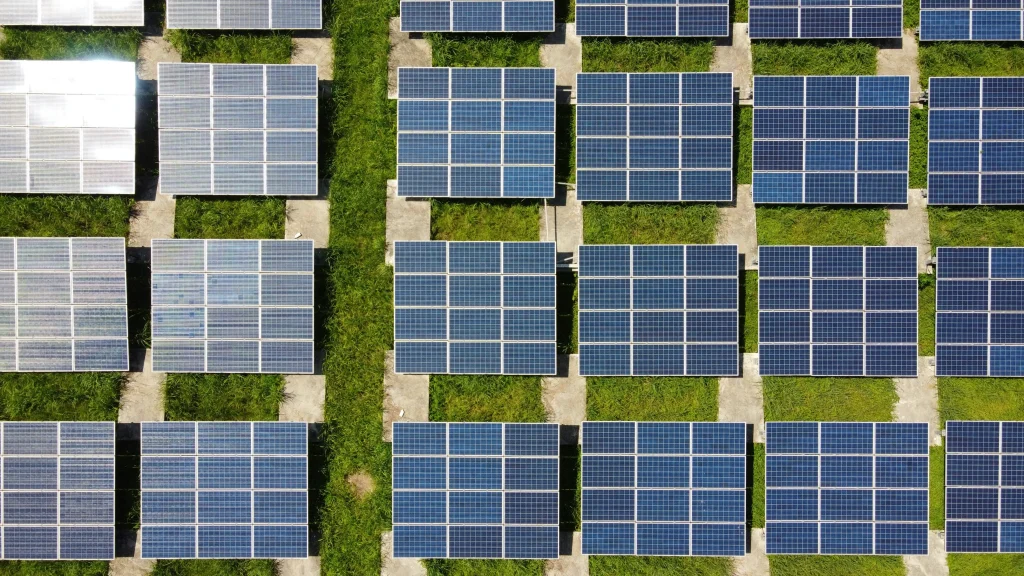
Dynamic line rating sensors measure real-time conductor temperature and ambient wind cooling, safely unlocking fifteen to thirty percent additional transfer capacity on existing overhead lines.
Advanced power-flow controllers redirect electricity away from congested transmission paths toward underutilized parallel circuits without waiting a decade for new steel towers.
Learn more: Why Renewable Energy Developers Are Revisiting Project Locations
High-temperature low-sag reconductoring replaces aging aluminum-steel cables with composite-core conductors on existing towers, doubling thermal capacity while avoiding lengthy greenfield land permitting.
Addressing why renewable energy projects face longer grid queues increasingly involves deploying these innovative grid-enhancing technologies alongside traditional long-range high-voltage transmission expansion.
Co-locating grid-forming battery storage with solar and wind farms smooths peak generation spikes, reducing transformer congestion during midday sunny or windy periods.
Automated simulation software tools now accelerate power-flow modeling and reliability screening, trimming several months off repetitive engineering calculations for regional transmission planners.
When will clean energy developers see faster grid connection approvals?
Projects entering reformed cluster studies with secured land rights, verified equipment orders, and hybrid storage configurations already move faster than standalone speculative proposals.
Transitioning massive legacy queue backlogs into new cluster study windows creates temporary administrative congestion, though clearer timelines are emerging for disciplined projects.
Read more: How Renewable Energy Auctions Are Changing Project Financing
Utilities adopting dynamic line ratings and automated study software can relieve localized substation bottlenecks within twelve to twenty-four months rather than waiting ten years.
Long-term relief depends on completing major regional backbone transmission lines designed specifically to link high-yield wind and solar zones with urban load centers.
Project teams who align site selection with existing substation headroom and hybrid storage capabilities gain a decisive competitive advantage during this transition.
Conclusion
Analyzing why renewable energy projects face longer grid queues demonstrates that clean power growth has outpaced twentieth-century transmission infrastructure and outdated study rules.
Learn more: The Impact of EV Charging Infrastructure on the Grid
Serial queue procedures, speculative placeholders, transformer supply bottlenecks, and slow transmission permitting combined to stretch average interconnection wait times across major power markets.
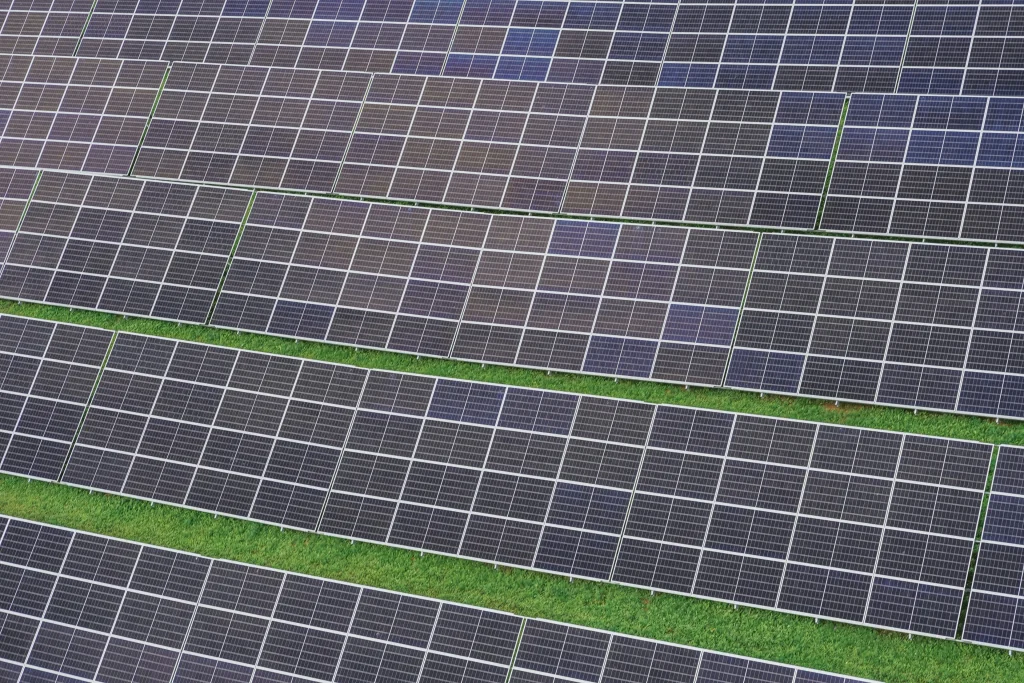
Cluster-based engineering study reforms, stricter site-control deposits, and surplus interconnection pathways are actively clearing non-viable speculative proposals from overloaded regional utility pipelines.
Deploying grid-enhancing hardware technologies and composite reconductoring simultaneously unlocks substantial hidden capacity on existing corridors while new high-voltage lines navigate multi-year permitting.
Coordinated regulatory policy execution and smarter grid engineering will steadily shorten connection delays and accelerate reliable clean electricity delivery across power markets.
Frequently Asked Questions
How long does an average renewable project wait in a grid queue today?
Recent industry data shows typical solar, wind, and storage projects spend four to five years between initial interconnection application and commercial operation.
What is a cluster study in transmission interconnection?
A cluster study groups multiple regional interconnection requests submitted within a set window and models their combined grid upgrades simultaneously rather than sequentially.
Why do developers pay for transmission network upgrades?
Under participant-funding rules used across many grid regions, new generators finance substation and line upgrades required to deliver their power reliably without overloading circuits.
Can battery storage speed up solar or wind grid connections?
Yes, pairing lithium batteries with renewables smooths peak output, reduces curtailment, and often qualifies for surplus interconnection at existing power plant substations.
Where can I review official federal interconnection reform rules and queue data?
Detailed regulatory orders, cluster-study standards, and compliance filings are accessible through the Federal Energy Regulatory Commission explaining why renewable energy projects face longer grid queues.
