
Truck MCS Charging Corridor Rollout Trends
The logistics landscape is undergoing a monumental shift as heavy-duty transport transitions away from fossil fuels toward complete electrification.
This deep-dive analysis covers global market projections, infrastructure deployment strategies, regulatory mandates, and key technological updates reshaping the freight sector today.
What is Driving MCS Charging Corridor Rollout Trends?
The rapid acceleration of MCS Charging Corridor Rollout Trends is fundamentally reshaping the logistics industry by removing the final barrier to long-haul electrification.
Commercial fleets have historically been confined to overnight depot charging due to the strict limitations of standard Combined Charging System hardware.
Traditional fast chargers topping out at 350 kilowatts require several hours to replenish a large Class 8 electric truck battery pack.
This operational bottleneck disappears with the official international standardization of the Megawatt Charging System under the IEC TS 63379 guidelines.
By delivering up to 3.75 megawatts of continuous power, specialized highway corridors now allow heavy commercial vehicles to add significant driving range in minutes.
Fleet operators are leveraging these high-power networks to maintain tight shipping schedules while meeting strict corporate sustainability milestones.
How Do Global Freight Networks Deploy Megawatt Infrastructure?
Deploying megawatt infrastructure requires extensive coordination between charge point operators, government bodies, and regional utility providers along major transit routes.
European networks are moving swiftly to comply with the Alternative Fuels Infrastructure Regulation mandate, which requires high-power charging hubs every 60 kilometers.
These strict public policy targets ensure that continuous freight lanes across the continent receive adequate power distribution for upcoming vehicle rollouts.
Across North America, the Department of Energy is funding strategic freight corridors through major initiatives like the SuperTruck program.
Initial deployment focuses heavily on high-traffic shipping lanes, including the vital Interstate 10 and Interstate 5 corridors linking major ports.
These strategic locations feature massive highway charging installations designed to handle high daily vehicle volumes without causing logistics delays.
Why is Interoperability Crucial for Modern Logistics Corridors?
Successful freight corridors rely entirely on global interoperability standards that allow diverse truck brands to utilize the same charging dispensers seamlessly.
The finalized SAE J3271 standard provides a unified blueprint for physical connectors, thermal management systems, and safe liquid-cooled operations.
This universal compatibility allows logistics companies to invest in mixed fleets without worrying about proprietary charging connector restrictions.
Recent real-world testing proves that standardizing these protocols reduces software communication failures and ensures consistent power delivery during high-amperage sessions.
Leading truck manufacturers are now launching commercial vehicles equipped with dual inlet configurations to support both existing depot chargers and new megawatt systems.
This flexible hardware approach maximizes vehicle utility across both regional transport routes and intensive long-haul networks.
Which Technical Features Distinguish Heavy-Duty Charging Standards?
Evaluating the transition to megawatt power requires a clear technical comparison against traditional commercial vehicle charging systems found in depots.
The massive difference in voltage, current thresholds, and overall power capacity dictates how fleet managers plan their daily operations.
| Technical Specification | CCS (Combined Charging System) | MCS (Megawatt Charging System) |
| Maximum Power Output | Up to 400 kW | Up to 3.75 MW |
| Maximum Current Level | 500 Amps | 3,000 Amps |
| Typical Voltage Range | 200 – 1,000 V DC | 200 – 1,250 V DC |
| Cooling Requirements | Air or Light Liquid | Intensive Liquid Cooled |
| Primary Deployment | Overnight Depot / Regional | Public Highway Corridors |
| Class 8 Charge Time | 2 to 4 Hours | Under 30 Minutes (20%-80%) |
The data proves that MCS Charging Corridor Rollout Trends are creating a charging ecosystem roughly ten times faster than legacy hardware.
This massive leap in energy transfer efficiency enables logistics providers to match the quick refueling times traditionally offered by diesel.
When Will Megawatt Charging Achieve Mass Commercial Adoption?
Commercial vehicle manufacturers are actively accelerating their production timelines to align directly with the opening of major highway charging hubs.
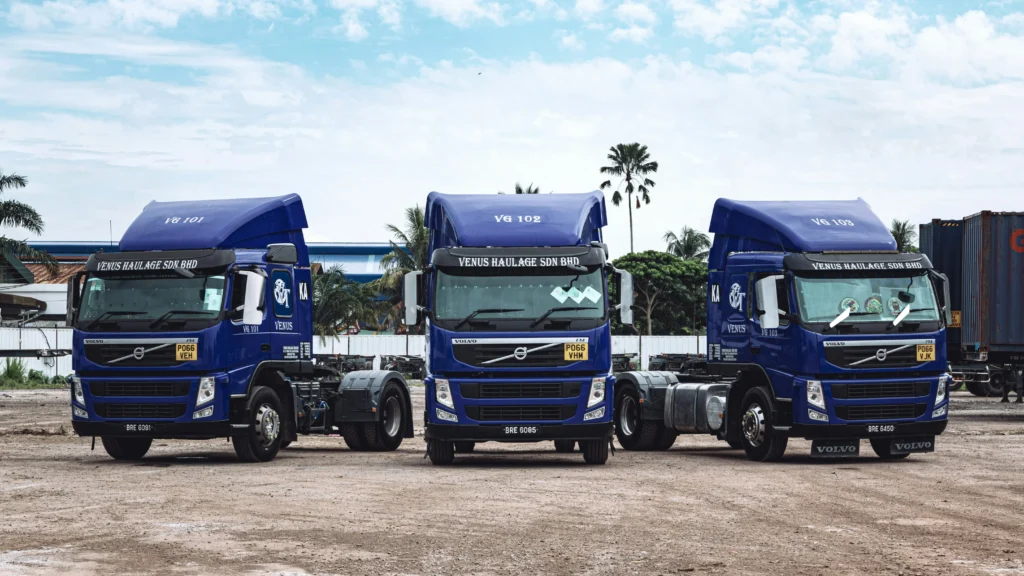
Fleet managers can now order serial production electric trucks equipped with native megawatt charging capabilities from major global brands.
This synchronization between vehicle availability and public infrastructure deployment marks the true beginning of profitable zero-emission long-distance shipping.
More information regarding high-power commercial vehicle infrastructure and utility planning guidelines can be accessed directly through the International Energy Agency.
Learn more: Electric Truck Megawatt Charging System MCS Explained
Establishing these public networks requires substantial lead times, often stretching from 12 to 24 months due to complex utility upgrades.
Charge point operators are mitigating these grid delays by deploying temporary configurations featuring on-site battery storage systems and large solar canopies.
This hybrid strategy allows stations to open early, generating consistent revenue while waiting for final high-voltage utility connections.
What Are the Main Grid Challenges for Highway Charging Hubs?
Connecting multiple multi-megawatt dispensers to regional electrical grids presents unprecedented engineering challenges for utilities and station developers alike.
A single high-utilization truck stops can demand as much peak power as a small industrial manufacturing facility or thousands of residential homes.
These intensive power requirements force operators to invest heavily in medium-voltage connections, dedicated substations, and smart energy management platforms.
Read more: Electric Truck Megawatt Charging Hub Expansion 2026
Smart load balancing software plays a vital role by dynamically distributing available electricity based on real-time vehicle battery statuses.
Integrating stationary energy storage allows hubs to buffer the grid from sudden power spikes when multiple trucks plug in simultaneously.
This sophisticated technical approach reduces expensive peak-demand charges and ensures reliable charging operations even during periods of high regional grid strain.
Shifting Gears: The New Era of Zero-Emission Long-Haul Logistics
The expansion of MCS Charging Corridor Rollout Trends represents a critical milestone in the global effort to decarbonize commercial road transport.
By enabling reliable high-speed charging within mandatory driver rest periods, this emerging technology elevates electric trucks into a highly competitive alternative.
Learn more: The Myth of Zero Maintenance in Electric Vehicles
As public corridor networks expand across key global trade lanes, logistics companies must proactively adapt their procurement and route planning strategies.

Embracing a dual approach that combines efficient depot charging with ultra-fast en-route power will ensure long-term operational resilience.
Detailed market projections and additional infrastructure development reports are regularly updated by the Sustainable Transportation Energy Pathway.
Frequently Asked Questions
How does MCS safely manage such high electrical current levels?
The system utilizes advanced liquid-cooled cables and specialized connectors embedded with continuous temperature monitoring sensors to eliminate overheating risks during high-amperage charging sessions.
Can an electric truck use both CCS and MCS chargers?
Yes, many modern heavy-duty electric trucks are engineered with dual charging ports, allowing them to use standard depot chargers or ultra-fast highway dispensers.
How do driver rest regulations align with megawatt charging times?
The system is specifically designed to replenish a commercial battery from 20% to 80% within 30 minutes, fitting perfectly into legally mandated driver rest breaks.
What role does on-site energy storage play at these corridor stations?
Stationary batteries store electricity during low-demand periods and discharge it rapidly during charging sessions, protecting the local grid from severe power spikes.
