
The Myth of Zero Maintenance in Electric Vehicles
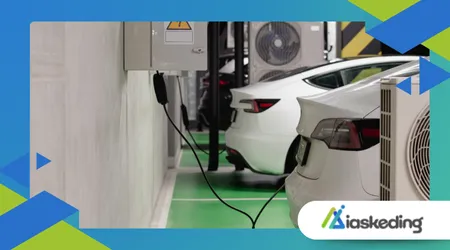
Myth of Zero Maintenance in Electric Vehicles: The notion of zero maintenance in electric vehicles is a common misconception, one that often fuels the excitement around EVs.
This belief, however, is far from the complete picture, and a more nuanced understanding is essential for prospective buyers.
While EVs do have fewer moving parts than traditional internal combustion engine (ICE) cars, dismissing all maintenance needs is a significant oversight.
It’s true that EVs don’t require oil changes, spark plug replacements, or timing belt services.
This eliminates a substantial portion of the routine upkeep associated with gasoline-powered vehicles. This simplified mechanical system is a key selling point.
Nevertheless, this simplified system doesn’t mean it is a maintenance-free one. The powerful batteries, complex cooling systems, and advanced software require periodic checks.
These components are vital for performance and longevity.
The absence of a complex engine block doesn’t make an EV immune to wear and tear. Brakes, tires, and suspension systems are still subject to the same physical forces as in an ICE car.
In fact, due to the instant torque and heavier weight of EVs, these components can sometimes wear out differently or even faster.
The Unseen Costs: Batteries and Beyond

The most crucial and expensive component of an EV is its battery pack. While durable, it’s not invincible.
Battery health degrades over time, a process accelerated by improper charging habits or extreme temperatures.
Battery management software requires updates to ensure optimal performance. These updates can impact range and charging efficiency. Ignoring them can lead to a less-than-ideal ownership experience.
For example, a Tesla Model 3 from 2018 may have a battery pack with a lower State of Health (SOH) today.
This is due to a natural degradation, not a malfunction. Proper management and charging habits help mitigate this decline.
Brake fluid, cabin air filters, and windshield wipers still need regular replacement, just as they would in any car.
++How to Retrofit Diesel Trucks to Electric Is It Worth It?
This simple fact is often forgotten in the excitement of “no more oil changes.”
A Different Kind of Upkeep
Think of an EV not as a car without needs, but as a car with different needs. It’s like comparing a high-tech smartphone to an old landline phone.
The landline required a simple wire and power, while a smartphone needs software updates, battery health management, and screen protection.
++How to Prepare Your Garage for Overnight EV Charging
It’s a shift from mechanical to digital and chemical care.
This is a subtle but important distinction.
The maintenance burden shifts from the garage to the dealership’s service bay, and sometimes, even to over-the-air updates. The Myth of Zero Maintenance in Electric Vehicles doesn’t account for this reality.
The Reality of Wear and Tear
Tires on an EV often face unique challenges. The regenerative braking system, while efficient, can cause uneven tire wear if not properly balanced.
The instant and high torque of electric motors can also lead to faster tire degradation.
++How Much Battery Drain Happens Overnight in Electric Cars?
A report by the U.S. Department of Energy’s National Renewable Energy Laboratory (NREL) found that routine service on EVs, while less frequent, is still necessary.
They highlight the importance of tire rotation and brake inspections.
Brake pads on an EV might last longer because of regenerative braking. However, they can still seize up due to lack of use.
This is especially true for those who rely heavily on regenerative braking.
The 2024 J.D. Power U.S. Electric Vehicle Experience Ownership Study found that owners of battery electric vehicles (BEVs) reported fewer problems per 100 vehicles than ICE owners.
However, a significant portion of the issues reported were related to software glitches, infotainment systems, and battery-related concerns.
Read more: The most common myths about EVs
This reinforces that while the issues are different, they are not nonexistent.
The Myth of Zero Maintenance in Electric Vehicles misleads people into believing they can ignore these realities. A car is a complex machine, regardless of its power source.
A Look at a Typical Maintenance Schedule
A regular maintenance schedule for an EV might look something like this. It is a simplified representation, but a useful one.
| Component | Maintenance Action | Interval (miles) |
| Tires | Rotation, balance, and inspection | 5,000 – 7,500 |
| Brake System | Inspection | 10,000 |
| Coolant | Check and top-off | 20,000 |
| Cabin Filter | Replacement | 20,000 – 30,000 |
| Battery Health | Diagnostics | Annually |
This table clearly illustrates that there is a regular schedule of maintenance that must be adhered to. The Myth of Zero Maintenance in Electric Vehicles is debunked by this reality.
The intervals may be longer for some items, but they are not eliminated.
The Bottom Line for EV Owners
So, what does this all mean for the consumer? It means approaching an EV purchase with realistic expectations.
The benefits are significant: lower running costs, environmental advantages, and a smoother driving experience.
However, a car is an investment that requires care. Just as a plant needs water and sunlight, an EV needs a different kind of nurturing.
The Myth of Zero Maintenance in Electric Vehicles sets an unrealistic expectation, potentially leading to neglect.
The smart EV owner understands that they are trading one type of maintenance for another. They are not escaping it entirely.
They are simply changing the nature of the upkeep.
Ultimately, is the Myth of Zero Maintenance in Electric Vehicles a reason not to buy one? Absolutely not. It is simply a call for a more informed and responsible approach to ownership.
After all, isn’t being informed the first step to making a good decision?
Frequently Asked Questions
Is it more expensive to maintain an EV than a gas car?
No, in most cases, EV maintenance is cheaper overall. The elimination of oil changes and other engine-related services significantly reduces costs over time.
The primary variable cost is potential battery replacement, which is rare but expensive.
What is the most expensive part to maintain on an EV?
The battery pack is the most expensive single component to replace. However, with modern technology, these packs are very durable and are typically covered by long warranties, often for 8 years or 100,000 miles.
Can I do my own maintenance on an EV?
Basic tasks like replacing the cabin filter or checking tire pressure can be done at home.
However, any work on the high-voltage battery system or cooling system should be performed by a certified technician due to the safety risks involved.
