
Harnessing Tidal Energy for Sustainable Coastal Infrastructure
Coastal areas are turning to the sea for a new source of power. Tidal energy is making waves as a promising renewable energy option. This marine energy harnesses the natural ebb and flow of ocean tides to generate electricity.
As coastal regions face growing energy needs, tidal power technology offers a sustainable solution. Unlike fossil fuels, tidal energy is clean and predictable. It can provide a steady stream of power to coastal communities day and night.
Tidal energy systems are becoming a key part of coastal power generation plans. They fit well with other renewable sources like wind and solar. Together, these technologies are reshaping how we think about energy production in seaside areas.
Let’s dive into the world of tidal energy and explore its potential to transform coastal infrastructure. We’ll look at how this innovative approach can create a greener future for our shorelines.
Understanding Tidal Energy Fundamentals
Tidal power basics revolve around harnessing the kinetic energy of ocean tides. This form of ocean energy relies on the gravitational pull of the moon and sun, creating predictable lunar cycles that drive tidal movements. Unlike other renewable sources, tidal energy offers consistent power generation, making it an attractive option for coastal regions.
Tidal streams, powerful currents created by rising and falling tides, are key to generating electricity. Two main types of systems exist for capturing this energy:
- Tidal barrages: Dam-like structures that trap water during high tides
- Tidal stream generators: Underwater turbines that spin as tidal currents flow past
The reliability of tidal power stems from its cyclical nature. Tides occur twice daily in most coastal areas, providing a steady source of energy. This predictability gives tidal power an edge over other renewable sources like wind or solar, which can be intermittent.
| Tidal Energy Feature | Benefit |
|---|---|
| Predictability | Reliable power generation |
| High energy density | More power from smaller devices |
| Low visual impact | Minimal disruption to coastal views |
| Long lifespan | Sustainable infrastructure |
While tidal power technology is still evolving, its potential for providing clean, renewable energy is significant. As coastal communities seek sustainable power solutions, understanding these tidal energy fundamentals becomes crucial for future infrastructure planning and development.
Tidal Energy for Coastal Areas: Implementation and Benefits
Coastal tidal power offers a promising solution for sustainable energy production in coastal regions. This renewable energy source harnesses the power of ocean tides, providing a reliable and predictable alternative to fossil fuels.
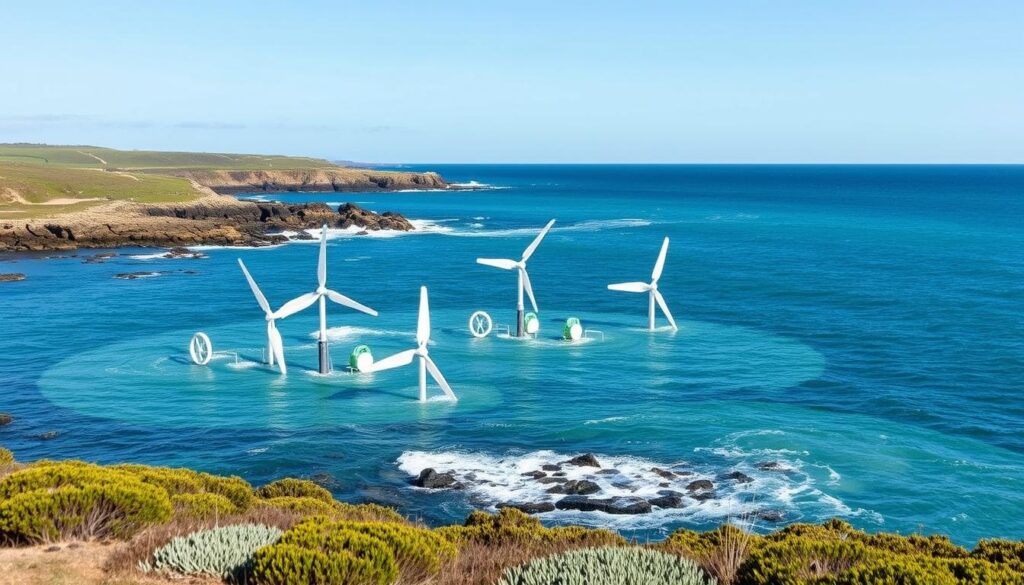
The implementation of tidal energy systems brings numerous environmental benefits to coastal communities. Unlike traditional power plants, tidal turbines produce zero emissions during operation, contributing to cleaner air and reduced greenhouse gas emissions. The minimal land use requirements of tidal installations also help preserve coastal ecosystems.
Energy security is a key advantage of coastal tidal power. Tidal energy is highly predictable, allowing for accurate forecasting of power generation. This reliability enhances grid stability and reduces dependence on imported fossil fuels, strengthening local energy independence.
“Tidal energy has the potential to provide up to 10% of the world’s electricity needs, making it a significant contributor to our clean energy future.”
Grid integration remains a challenge for tidal energy projects. The intermittent nature of tidal power requires careful planning and advanced storage solutions to ensure a steady supply of electricity. Despite these hurdles, ongoing technological advancements are improving the scalability and efficiency of tidal energy systems.
| Aspect | Benefits | Challenges |
|---|---|---|
| Environmental Impact | Zero emissions, minimal land use | Potential effects on marine life |
| Energy Security | Predictable power generation | Initial high installation costs |
| Grid Integration | Enhances grid stability | Intermittent power supply |
As coastal communities explore sustainable energy options, tidal power emerges as a viable solution with significant long-term benefits. The continued development of this technology promises to revolutionize coastal energy landscapes, paving the way for a cleaner, more secure energy future.
Technological Innovations in Tidal Power Systems
Tidal energy is experiencing a surge in technological advancements. Tidal turbines are evolving rapidly, with new designs maximizing energy capture from ocean currents. These underwater generators now feature improved materials and streamlined shapes to withstand harsh marine environments while boosting efficiency.
Energy storage solutions are key to managing the intermittent nature of tidal power. Cutting-edge batteries and pumped hydro systems allow excess energy to be stored during peak tidal flows and released when needed. This advancement ensures a steady power supply, even when tides are low.
Smart grid technology is revolutionizing how tidal energy integrates with existing power networks. These intelligent systems optimize power distribution, balancing tidal input with other renewable sources and conventional power plants. The result is a more reliable and efficient energy grid that can adapt to changing demand and supply conditions.
“Tidal energy’s potential is unlocked through technological innovation, paving the way for a sustainable future powered by the ocean’s rhythms.”
Recent breakthroughs in tidal power systems include:
- Bi-directional turbines that generate electricity regardless of tide direction
- Floating tidal platforms for deeper water installations
- Advanced monitoring systems for predictive maintenance
- Eco-friendly designs that minimize impact on marine life
These innovations are driving tidal energy towards commercial viability, promising a clean, renewable power source for coastal communities worldwide.
Coastal Infrastructure Development and Tidal Energy
Tidal energy projects offer exciting opportunities for coastal engineering. By integrating tidal power systems into existing infrastructure, we can create multi-purpose structures that generate clean electricity and protect our shores. Flood defense barriers equipped with turbines turn rising tides into valuable energy resources.
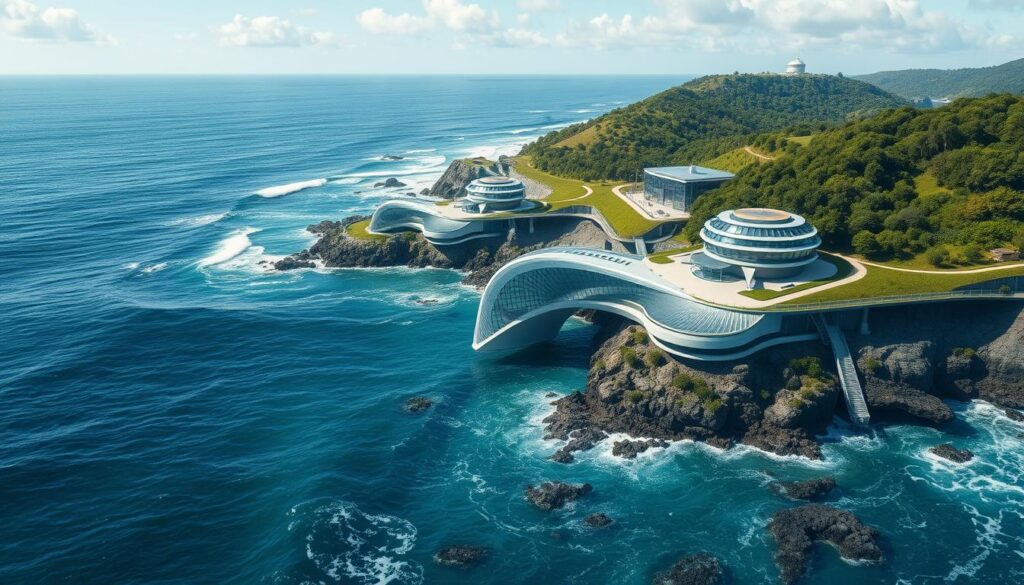
Marine ecosystem protection remains a top priority when developing tidal energy infrastructure. Engineers design turbines to minimize impacts on sea life and carefully select project locations to avoid sensitive habitats. Tidal energy installations can even create artificial reefs, supporting local biodiversity.
Coastal communities benefit from these innovative projects through:
- Enhanced flood protection
- Clean energy generation
- Job creation in emerging industries
- Improved coastal resilience
“Integrating tidal energy into coastal infrastructure represents a win-win for communities and the environment.”
The table below compares traditional coastal structures with multi-purpose tidal energy infrastructure:
| Feature | Traditional Structure | Tidal Energy Infrastructure |
|---|---|---|
| Flood Defense | Yes | Yes |
| Energy Generation | No | Yes |
| Ecosystem Support | Limited | Enhanced |
| Economic Benefits | Moderate | High |
As coastal regions face rising sea levels and increasing storm intensity, integrating tidal energy into infrastructure projects offers a sustainable path forward. This approach combines flood defense, clean energy production, and marine ecosystem protection in one innovative solution.
Economic and Social Impact on Coastal Communities
Tidal energy projects bring significant economic and social changes to coastal communities. These initiatives drive job creation across various sectors, including construction, engineering, and maintenance. The influx of skilled workers boosts local economies, stimulating growth in housing, retail, and services.
Energy independence is a key benefit of tidal power. Coastal regions can reduce their reliance on imported fossil fuels, leading to more stable energy prices and improved energy security. This shift supports sustainable development goals and enhances the resilience of coastal economies.
“Tidal energy projects have the potential to transform coastal communities, offering new opportunities for economic growth and environmental sustainability.”
The coastal economy experiences a ripple effect from tidal energy investments. Tourism often increases as these projects become attractions, drawing visitors interested in renewable energy and marine technology. Local businesses benefit from this increased foot traffic, further diversifying income sources.
| Impact Area | Benefits | Challenges |
|---|---|---|
| Employment | New jobs in construction and maintenance | Need for specialized skills training |
| Energy Costs | Long-term price stability | Initial high infrastructure costs |
| Environment | Reduced carbon emissions | Potential impact on marine ecosystems |
| Tourism | Increased visitor interest | Balancing tourism with conservation |
While the benefits are substantial, communities must navigate challenges such as initial infrastructure costs and potential environmental impacts. Balancing economic growth with ecological preservation is crucial for long-term sustainable development in these coastal regions.
Conclusion
Tidal energy stands at the forefront of sustainable coastal development. This renewable power source offers a unique opportunity to transform coastal infrastructure while addressing growing energy needs. As we’ve explored, tidal power systems have evolved, becoming more efficient and environmentally friendly.
The future of tidal energy looks promising. It plays a crucial role in the renewable energy transition, helping coastal communities reduce their carbon footprint. By harnessing the power of tides, we can create resilient and self-sufficient coastal areas. This shift not only benefits the environment but boosts local economies and creates new job opportunities.
While challenges remain, the potential rewards of tidal energy are significant. As technology advances and costs decrease, we can expect to see more coastal regions embracing this clean energy source. Tidal power is set to become a key player in our sustainable future, powering coastal infrastructure and supporting the global move towards cleaner energy solutions.
FAQ
What is tidal energy and how does it work?
How reliable is tidal energy compared to other renewable sources?
What are the environmental benefits of tidal energy?
Can tidal energy contribute to coastal flood defense?
How does tidal energy impact local economies in coastal areas?
What are some challenges in implementing tidal energy systems?
How does tidal energy compare to other marine energy sources?
What role can smart grid technology play in tidal energy systems?
