
EV Charging Etiquette: What Most New Drivers Get Wrong
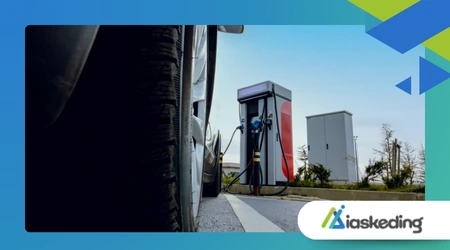
The electric vehicle revolution is in full swing, with global EV adoption surpassing 20% of new car sales in 2024.
Yet, as charging infrastructure struggles to keep pace, a new problem emerges: poor EV charging etiquette.
Unlike refueling a gas car—a five-minute task—charging an EV requires time, planning, and consideration for others.
Unfortunately, many new EV owners treat charging stations like personal parking spots, leading to frustration, conflicts, and even legal penalties in some cities.
Why does this keep happening? The answer lies in a mix of inexperience, lack of awareness, and sometimes, pure selfishness.
This guide dives deep into the most common charging mistakes, why they matter, and how we can all contribute to a smoother EV ecosystem.
1. The Unwritten Rules of EV Charging Stations
Charging an EV isn’t just about plugging in—it’s about respecting shared infrastructure. Gas stations operate on a “fill and go” principle, but EV charging demands patience and courtesy.
A 2024 study by the International Council on Clean Transportation (ICCT) revealed that 30% of charging delays were caused by drivers overstaying their sessions.
This isn’t just annoying—it can leave others stranded with low battery.
Some cities, like San Francisco and Amsterdam, have started imposing idle fees to discourage charger hogging. Yet, enforcement remains inconsistent, leaving much of the responsibility on drivers themselves.
The “Charge and Lounge” Epidemic
One of the biggest breaches of EV charging etiquette is treating a charger like a long-term parking spot.
Many drivers plug in, then wander off for hours—whether shopping, dining, or even working—while their car occupies a limited charging space.
++Renewable Energy Jobs: What You Need to Know
For example, a viral Reddit thread documented a Tesla owner who left their car at a busy mall charger for six hours, despite only needing 45 minutes to reach 80%.
This kind of behavior forces others to wait unnecessarily or even abandon their charging plans.
Why Fast Chargers Aren’t for Lingering
Level 3 (DC fast) chargers are the highway pit stops of the EV world—meant for quick top-ups, not full charging sessions. Yet, many drivers use them for full charges, slowing down the queue.
The rule? Once you hit 80%, move your car. Beyond that point, charging speed drops dramatically, making it inefficient for everyone.
2. ICEing: The Ultimate Charging Etiquette Violation
One of the most infuriating sights for an EV driver? A gas-powered car parked in a charging spot.
Known as “ICEing” (Internal Combustion Engine blocking), this practice remains rampant despite fines in many areas.
Why Do ICE Drivers Do This?
Some simply don’t realize EV spots are reserved. Others see them as “just another parking space.” A few even do it out of spite, as seen in viral videos of drivers mocking EV owners.
++The Evolution of Electric Vehicles: From Early Experiments to Cutting-Edge Technology
In Berlin, a recent case involved a diesel truck deliberately blocking four charging stations for an entire day. The driver later admitted he “didn’t think EVs deserved special treatment.”
How Cities Are Fighting Back
Cities like Los Angeles and London now impose $150+ fines for ICEing. Some even tow offending vehicles on the spot.
Yet, enforcement is patchy. Until automated systems (like license plate recognition) become standard, the burden falls on EV drivers to report violations.
3. Charging Etiquette in Apartment Complexes & Workplaces

Home charging is easy if you have a garage—but what about shared spaces? Apartment buildings and office parks are becoming hotspots for charging conflicts.
The “Unplug Me” Debate
Some EV owners leave notes saying, “Feel free to unplug me when full.” Others consider unplugging without permission rude.
The solution? Clear communication. Apps like ChargePoint allow users to notify others when charging is complete.
++Charging an Electric Car: Everything You Need to Know About EV Charging Stations
The “Always Plugged In” Problem
At workplaces, some drivers leave their cars plugged in all day, even after reaching 100%. This denies others the chance to charge.
A simple fix? Set a charging schedule (e.g., “Only plug in from 9 AM to 12 PM”) to ensure fair access.
4. The Future of EV Charging Etiquette
As charging networks expand, so must our collective manners. Some promising developments:
- Dynamic pricing (higher fees for overstaying)
- Reservation systems (like Tesla’s “Charge Your Non-Tesla” feature)
- Community rating systems (where drivers report etiquette violators)
Will technology solve the problem? Partly. But awareness and courtesy will always be key.
5. The Hidden Costs of Poor Charging Etiquette
What many drivers fail to realize is that bad EV charging etiquette doesn’t just inconvenience others—it has real economic and environmental impacts.
When chargers are blocked or misused, it leads to longer wait times, which in turn forces some EV owners to seek out less convenient (and sometimes more expensive) charging alternatives.
For instance, a driver with low battery might have to detour several miles to find an available charger, wasting both time and energy.
In extreme cases, poor charging behavior has even led to confrontations between drivers, with viral videos showing shouting matches over occupied charging spots.
Moreover, inefficient charger use contributes to higher electricity demand peaks. When multiple drivers are forced to wait and then charge simultaneously later, it strains local grids—especially in areas where renewable energy sources are still scaling up.
6. How Technology Is Helping (and Hurting) Charging Etiquette
Modern EVs come with apps that notify owners when charging is complete—yet many still ignore these alerts. This paradox highlights a key issue: technology can facilitate good behavior, but it can’t enforce it.
On the positive side, some networks now implement automatic idle fees, where drivers are charged per minute once their session is complete.
Tesla’s Supercharger network, for example, bills users $1 per minute if they remain plugged in beyond a full charge.
However, tech solutions have limits. Reservation systems can help, but they’re useless if drivers book slots and then no-show.
Similarly, while community reporting (like PlugShare’s “check-ins”) can shame repeat offenders, it relies on voluntary participation.
7. The Cultural Shift Needed for Widespread EV Adoption
The transition to electric vehicles isn’t just about cars—it’s about rethinking how we share infrastructure.
Gas stations required no etiquette beyond “don’t block the pump,” but EV charging demands a more communal mindset.
In Norway, where EVs make up over 80% of new car sales, charging etiquette is drilled into drivers early. Many public chargers display clear time limits, and it’s socially unacceptable to overstay.
This cultural norm didn’t happen overnight—it was built through education and consistent enforcement.
For the rest of the world to follow suit, we’ll need a mix of public awareness campaigns, stricter penalties for violations, and better charger availability.
Until then, every EV driver plays a role in setting the standard.
For further reading:
Conclusion: Charging Right Starts With You
EV adoption is growing—but infrastructure and etiquette must keep up. By following simple rules (move when charged, don’t ICE, communicate clearly), we can all enjoy a smoother charging experience.
The next time you plug in, ask yourself: “Would I want someone else to do this to me?”
FAQs: EV Charging Etiquette
1. Is it okay to unplug someone else’s EV?
Only if they’ve left a note permitting it. Otherwise, wait or report an overstayed session to the property manager.
2. Can I park at a charger if I’m not charging?
No. EV charging spots are for active charging only—even for EVs.
3. How long is too long at a fast charger?
Once your car hits 80%, it’s time to move. Staying longer slows charging for everyone.
4. What should I do if an ICE car blocks a charger?
Report it to parking enforcement (if available) or use apps like PlugShare to flag the violation.
