
Soundscapes of Electric Trucks: Reducing Noise Pollution in Urban Areas
The roar of engines in city streets may soon become a thing of the past. As urban areas grow, so does the need for urban noise reduction. Electric vehicles, especially quiet delivery trucks, are paving the way for a more peaceful urban landscape.
Gone are the days when the rumble of diesel engines was the soundtrack of city life. Today, sustainable transportation is reshaping our urban soundscapes. Electric trucks are leading this quiet revolution, offering a solution to the growing concern of noise pollution in our bustling metropolises.
The shift to electric vehicles isn’t just about cleaner air. It’s about creating livable cities where the constant drone of traffic no longer drowns out the sounds of daily life. This change promises improved health and well-being for city dwellers, making our urban spaces more enjoyable for everyone.
Understanding Urban Noise Pollution and Its Impact
Urban soundscapes are constantly evolving, with traffic noise emerging as a major contributor to city cacophony. The roar of engines, honking horns, and screeching brakes create a persistent backdrop that affects millions of city dwellers daily. This noise isn’t just an annoyance; it carries significant health effects that impact our well-being and quality of life.
Research shows that prolonged exposure to high levels of traffic noise can lead to serious health issues. These include:
- Increased stress levels
- Sleep disturbances
- Cardiovascular problems
- Cognitive impairment in children
The economic toll of noise pollution is equally concerning. Property values in noisy areas tend to be lower, and productivity in workplaces exposed to constant noise can suffer. This underscores the importance of effective city planning strategies that prioritize noise reduction.
“A quieter city is a healthier city. We must rethink our urban design to create spaces that nurture both our ears and our overall well-being.”
To fully grasp the impact of urban noise, consider the following data:
| Noise Level (dB) | Source | Potential Health Effect |
|---|---|---|
| 70-80 | City Traffic | Hearing damage over time |
| 80-90 | Truck Traffic | Stress, sleep disturbance |
| 90-100 | Construction Site | Hearing loss, hypertension |
As we delve deeper into the quiet operations of electric trucks, it’s crucial to keep these impacts in mind. The shift towards quieter vehicles isn’t just about comfort; it’s a vital step in creating healthier, more livable urban environments.
Quiet Operations of Electric Trucks
Electric truck technology is revolutionizing urban logistics with its whisper-quiet operations. These low-noise vehicles are transforming city streets, making silent delivery a reality. The hum of electric motors replaces the rumble of diesel engines, creating a peaceful urban environment.
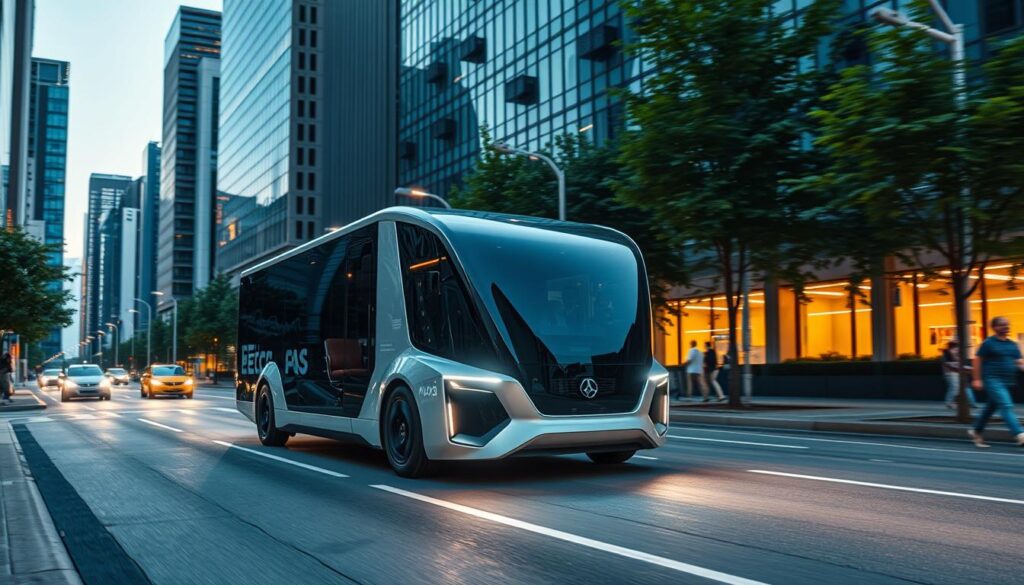
Noise levels of electric trucks are significantly lower than their diesel counterparts. This reduction allows for extended operational hours, including night-time deliveries. Cities benefit from improved traffic flow and reduced congestion during peak hours.
“Electric trucks are changing the game for urban logistics, allowing for quieter and more efficient deliveries around the clock.”
The silent delivery capabilities of electric trucks open new possibilities for businesses. They can operate in noise-sensitive areas and during traditionally restricted hours. This flexibility enhances productivity and customer satisfaction.
| Vehicle Type | Noise Level (dB) | Operational Hours |
|---|---|---|
| Diesel Truck | 80-90 | 6 AM – 10 PM |
| Electric Truck | 60-70 | 24/7 |
Urban logistics benefit greatly from these quiet operations. Residents enjoy reduced noise pollution, while businesses can optimize their delivery schedules. The transition to electric trucks is a win-win for cities, companies, and communities alike.
Technology Behind Electric Truck Sound Design
Electric trucks are revolutionizing urban transportation with their quiet operations. Sound engineering plays a crucial role in creating acoustic vehicle alerting systems that balance pedestrian safety and noise reduction. These systems generate artificial sounds to alert pedestrians and cyclists of the vehicle’s presence.
EV regulations mandate the use of warning sounds for electric vehicles traveling at low speeds. Sound designers work within these guidelines to create unique audio signatures for each manufacturer. The challenge lies in developing sounds that are noticeable yet not disruptive to the urban environment.
Acoustic vehicle alerting systems use various technologies to generate and project sounds:
- Exterior speakers mounted on the vehicle
- Synthesizers that create customizable tones
- Speed sensors that adjust sound volume based on vehicle velocity
- Directional sound technology to focus alerts where needed
These systems must comply with specific frequency ranges and volume levels set by EV regulations. For example, in the United States, electric vehicles must emit sounds between 315 Hz and 5000 Hz when traveling under 18.6 mph. The goal is to ensure pedestrian safety without contributing to overall noise pollution.
“The art of electric vehicle sound design lies in creating a sonic identity that’s both functional and emotionally engaging,” says a leading sound engineer in the EV industry.
As the technology evolves, we can expect more sophisticated and adaptive acoustic systems that further enhance pedestrian safety while maintaining the benefits of quieter electric trucks in urban areas.
Environmental Benefits Beyond Noise Reduction

Electric trucks offer more than just quieter streets. They play a crucial role in air quality improvement and carbon emissions reduction. These vehicles emit zero tailpipe pollutants, helping create cleaner air in urban areas. This shift to green transportation is a key step towards building sustainable cities.
The impact of electric trucks on urban environments is significant. They help reduce smog-forming nitrogen oxides and particulate matter. This leads to healthier living conditions for city dwellers. Studies show that improving air quality can lower rates of respiratory diseases and heart problems.
“Electric trucks are not just about noise reduction. They’re a game-changer for urban air quality and public health.”
Let’s look at the environmental benefits of electric trucks compared to traditional diesel vehicles:
| Aspect | Electric Trucks | Diesel Trucks |
|---|---|---|
| CO2 Emissions | Zero tailpipe emissions | High emissions |
| Air Pollutants | None | Nitrogen oxides, particulate matter |
| Energy Efficiency | High (60-70%) | Low (20-30%) |
| Contribution to Urban Heat Island Effect | Minimal | Significant |
By embracing electric trucks, cities can make significant strides towards their sustainability goals. These vehicles support the transition to renewable energy sources, further reducing the carbon footprint of urban transportation systems.
Implementation Challenges and Solutions
The shift to electric trucks faces significant hurdles. Electric vehicle infrastructure remains a primary concern. Cities need extensive charging stations to support large-scale fleet transition. This requires substantial investment and careful urban planning.
Cost is another major obstacle. Electric trucks often come with higher upfront prices compared to diesel counterparts. Fleet owners must weigh long-term savings against initial expenses. To address this, many governments offer incentives to ease the financial burden.
Here’s a breakdown of common challenges and potential solutions:
| Challenge | Solution |
|---|---|
| Limited charging infrastructure | Public-private partnerships to build charging networks |
| High initial costs | Government incentives and tax breaks |
| Range anxiety | Improved battery technology and strategic charging station placement |
| Grid capacity concerns | Smart charging systems and grid upgrades |
Despite these challenges, progress is being made. Cities are partnering with private companies to expand charging networks. Governments are offering tax credits and grants to encourage fleet transition. As technology advances and costs decrease, the path to widespread electric truck adoption becomes clearer.
“The future of urban logistics is electric. We must overcome these hurdles to create cleaner, quieter cities for all.”
Conclusion
Electric trucks are paving the way for a quieter, cleaner future of urban transport. These innovative vehicles are transforming city landscapes by reducing noise pollution and improving air quality. As we embrace electric mobility, we’re not just changing how goods move – we’re enhancing the quality of life for city dwellers.
Smart cities are integrating electric trucks into their transportation networks, recognizing their potential to create more livable urban environments. By addressing noise concerns and emissions, these vehicles play a crucial role in shaping sustainable urban spaces. The shift towards electric mobility marks a significant step in building greener, more efficient cities.
Looking ahead, the widespread adoption of electric trucks promises to revolutionize urban logistics. As technology advances and infrastructure improves, we can expect even quieter, more efficient vehicles on our streets. This transition to electric mobility isn’t just about transportation – it’s about creating healthier, more vibrant communities for generations to come.
FAQ
How much quieter are electric trucks compared to traditional diesel trucks?
What are the health benefits of reducing urban noise pollution?
Do electric trucks have any sound at all?
How do electric trucks contribute to improved air quality in cities?
What are the main challenges in implementing electric truck fleets?
Are there any government incentives for adopting electric trucks?
How does the transition to electric trucks affect urban logistics and delivery schedules?
What is the expected lifespan of an electric truck compared to a diesel truck?
