
Electric buses and e-mobility in public transit: the future of zero-emission cities
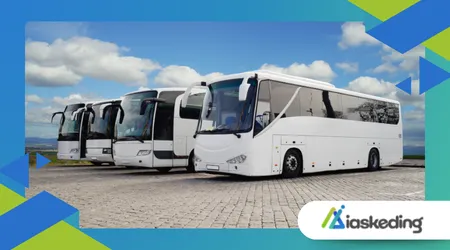
The global transition toward sustainable urban living is accelerating, and the adoption of Electric buses and e-mobility in public transit represents a pivotal shift.
This commitment to zero-emission fleets is not merely a technological upgrade; it is a fundamental redesign of the urban experience.
Cities are realizing that a truly intelligent metropolis must prioritize the health and sustainability of its inhabitants.
The electric bus revolution is defining the trajectory for cleaner, quieter, and more resilient metropolitan areas worldwide.
Moving away from the combustion engine’s legacy is a defining act of modern urban governance.
Why are Electric Buses the Cornerstone of Future Public Transit Systems?
Electric buses offer a potent solution to the twin challenges of urban air pollution and climate change. Eliminating tailpipe emissions directly improves air quality in dense city centers.
This silent revolution also tackles noise pollution, creating a more tranquil urban environment for residents.
Furthermore, reduced dependence on volatile fossil fuel markets offers municipalities greater operational stability. Cleaner air and quieter streets directly translate into a higher quality of life.
How are Cities Adopting E-Mobility for Cleaner Air?
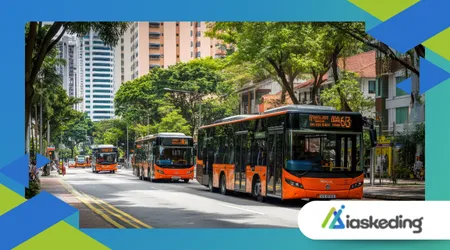
Cities are employing a mix of policy and procurement mandates to drive the change. Many transit agencies now stipulate that all new bus purchases must be zero-emission vehicles.
This creates a strong, consistent demand signal for manufacturers and infrastructure providers.
++Can Electric Motorcycles Be Hacked? Cybersecurity Basics
The establishment of dedicated charging depots and smart grid integration is essential to support this growing fleet.
Planning charging infrastructure around existing routes minimizes disruptions to daily operations.
What is the Economic Argument for Electric Buses?
While the initial purchase price of an electric bus remains higher than its diesel counterpart, the long-term economic case is compelling.
Electric motors possess far fewer moving parts than internal combustion engines.
Explore more: What Makes an Electric Train “Green”?
This mechanical simplicity translates directly into dramatically reduced maintenance costs over the vehicle’s lifespan.
Fuel savings are also significant; electricity is generally less expensive and more price-stable than diesel. The total cost of ownership (TCO) calculation increasingly favors the electric option.
What is the Global Trajectory of Electric Bus Adoption?
The global market for electric buses is experiencing robust and unprecedented expansion.
++How to Start an E-Bike Delivery Business
Asia-Pacific, particularly China, has long led this charge, demonstrating the scalability of fully electric fleets.
However, other regions are rapidly closing the gap, spurred by ambitious governmental targets. Latin American cities are becoming global showcases for e-bus deployment and infrastructure.
| Region | Electric Bus Registrations (Jan-Sep 2025) | Year-over-Year Growth (YoY) | Market Share of New Bus Sales (2025) |
| European Union | 6,444 units | +49% | N/A (Significant Growth) |
| Latin America (Total Fleet) | $\approx$ 6,800 units (Apr 2025) | Over 100% (2020-2023) | N/A (Rapid Deployment) |
| India (2024 Registrations) | 3,616 units | N/A | $\approx$ 11-13% (Forecast) |
Electric buses and e-mobility in public transit are clearly moving beyond a niche pilot phase into mass deployment.
How Does Electric Public Transit Transform the Urban Landscape?
Consider the analogy of converting an old library from heavy, dusty volumes to a streamlined digital archive.
++THE FUTURE OF URBAN MOBILITY: HOW ELECTRIC BUSES ARE TRANSFORMING PUBLIC TRANSPORTATION
The initial investment in scanning and servers is substantial, but the long-term benefits of instant access, minimal upkeep, and zero physical footprint are transformative.
Similarly, the electrification of a transit fleet replaces a century-old, high-maintenance, polluting system with a clean, efficient, digitally-enabled network.
This change improves public health and reduces the environmental burden.
What are the Operational Benefits of E-Mobility?
The performance characteristics of an electric bus often surpass those of a conventional diesel model.
Electric propulsion provides instant torque, resulting in smoother acceleration and a better passenger experience.
Modern battery technology also incorporates regenerative braking, a feature that captures energy otherwise lost as heat, feeding it back to the battery.
This intelligent design enhances efficiency, especially in the stop-and-go patterns typical of urban routes. This makes Electric buses and e-mobility in public transit particularly well-suited for city environments.
What Role Does Smart Charging Play in Fleet Management?
Advanced telematics and smart charging solutions are revolutionizing depot management. These systems determine the optimal time and rate for charging each vehicle, often leveraging off-peak electricity hours.
This process minimizes energy costs and ensures every bus is ready for its daily duty cycle. Charging decisions are dynamically optimized based on route demands and grid availability.
Smart energy management is critical for the scalability of large Electric buses and e-mobility in public transit fleets.
What Real-World Examples Demonstrate Success?
The global embrace of Electric buses and e-mobility in public transit is evidenced by cities around the world.
Santiago, Chile. This metropolis stands out as a leader in electric bus adoption outside of China.
By the end of 2025, Santiago is projected to operate approximately 4,406 electric buses, establishing one of the world’s largest fleets.
This scale demonstrates a comprehensive and successful commitment to zero-emission public transport.
The Netherlands. Policy-driven change has been exceptionally effective here.
The Dutch government set an ambitious target requiring all new public transport buses to be zero-emission by 2025.
This firm mandate successfully accelerated procurement and infrastructure development nationwide.
Conclusion: The Quiet Revolution of E-Mobility
The widespread adoption of Electric buses and e-mobility in public transit represents more than just a change of vehicle; it signals the true arrival of the zero-emission city.
This quiet revolution is delivering tangible benefits, from cleaner air and less noise pollution to robust economic savings over time.
Cities leading this transition are establishing the gold standard for responsible urban development.
The future of public transport is electric, and that future is already here, reshaping our streets and our air for the better.
Frequently Asked Questions
What are the main types of electric buses?
The primary types are Battery Electric Vehicles (BEVs), which run solely on battery power, and Plug-in Hybrid Electric Vehicles (PHEVs), which combine a battery with a conventional engine.
Fuel Cell Electric Vehicles (FCEVs), using hydrogen, also represent a zero-emission alternative, though they are less common in current urban transit fleets than BEVs.
What is the typical range of a modern electric bus?
Modern battery electric buses have significantly improved range, with many models offering between 150 to over 250 miles on a single charge.
Operational range depends on factors like battery capacity, climate control usage, and road topography. Technological advancements are continuously improving these figures.
How are electric buses charged?
Charging typically occurs overnight at the transit depot using plug-in charging systems, known as “depot charging.”
Some cities also employ “opportunity charging” along routes, using high-power pantographs mounted on the bus to rapidly top up the battery during scheduled layovers.
