
How Electric Motorcycle Charging Ports Meet Global Standards
Engineering teams ensuring Electric Motorcycle Charging Ports Meet Global Standards successfully harmonize cross-border infrastructure protocols for light electric two-wheelers worldwide.
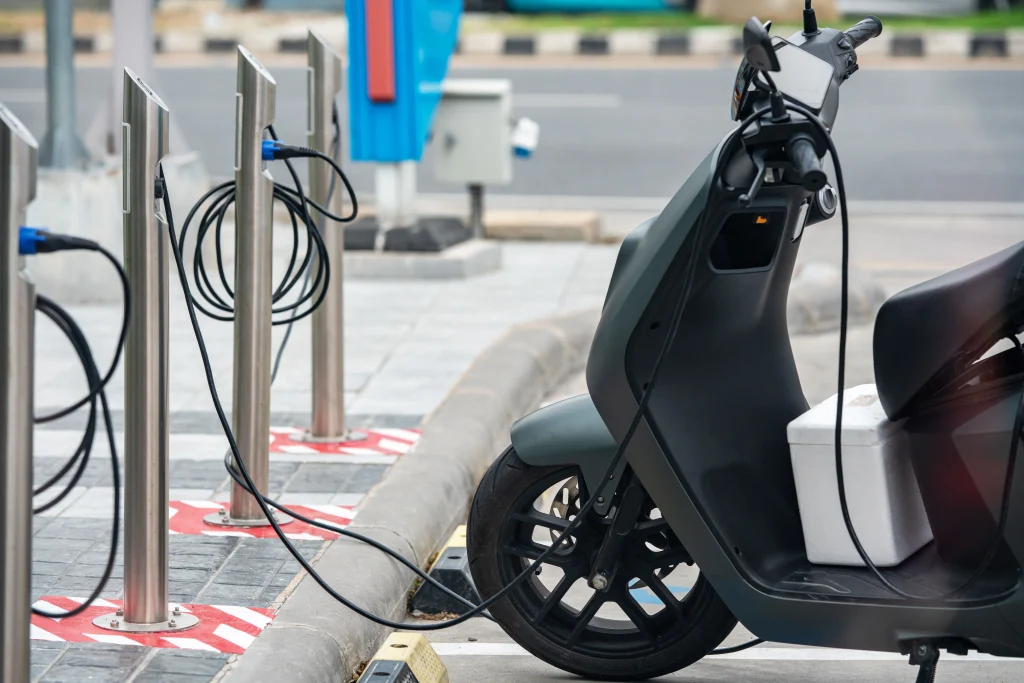
Rapidly expanding urban micro-mobility markets demand robust plug architectures capable of withstanding severe weather conditions while delivering rapid energy transfer safely.
Automotive standards organizations collaborate closely with electric vehicle manufacturers to establish unified physical pin configurations and digital communication protocols across international borders.
Modern standardized electrical connectors eliminate consumer frustration by allowing riders to plug vehicles into public charging stations located on different continents seamlessly.
Our dedicated technical committees evaluate thermal endurance, insertion durability, and IP-rating waterproofing guarantees before certifying connector hardware for commercial consumer distribution.
Very many forward-thinking manufacturers embrace these universal compliance mandates to accelerate global adoption rates and simplify supply chain manufacturing logistics significantly.
What regional plug variations exist globally?
Most typical North American commuter models frequently adopt CCS1 plug arrangements, while European manufacturers rely heavily on Type 2 and CHAdeMO receptacles.
Many vibrant Asian markets showcase distinct regional preferences, utilizing GB/T standards across densely populated metropolitan centers to unify local charging networks.
Light electric motorcycles often bypass massive automotive plugs in favor of compact IEC 62196 or specialized waterproof proprietary circular connectors.
Interoperability adapters enable cross-compatibility, allowing riders to connect diverse vehicle inlets to standard alternating current public supply infrastructure safely.
Technical guidance published by the Society of Automotive Engineers details precise dimensional tolerances for international vehicle inlet receptacles.
Harmonizing physical receptacle geometry remains an ongoing engineering priority for international committees seeking seamless global vehicle infrastructure integration.
How do thermal management systems prevent overheating?
High-amperage direct current fast charging generates immense thermal energy inside compact two-wheeler receptacles during intense energy transfer cycles.
Integrated thermistors monitor pin temperatures continuously, signaling charging controllers to throttle current output instantly if thermal thresholds approach danger levels.
High-grade silver-plated copper contacts minimize electrical resistance, reducing internal heat generation during maximum capacity power delivery operations.
Robust high-temperature polymer housing shells dissipate residual heat safely away from internal wiring harnesses and rider-facing exterior plastic components.
Engineers test receptacle assemblies under extreme ambient temperature chambers to guarantee flawless thermal performance in desert and arctic climates.
Advanced thermal mitigation protocols protect sensitive battery management systems from catastrophic heat damage during prolonged high-power charging sessions.
Why is IP-rating waterproofing essential for riders?
Daily urban commuters encounter torrential rainstorms, heavy snow, and corrosive road salt splashing directly against exterior vehicle charging ports.
Strict ingress protection ratings guarantee absolute water and dust resistance, preventing dangerous electrical short circuits during outdoor charging operations.
Heavy-duty rubberized protective caps seal internal electrical pins securely whenever vehicles operate without connected charging cables attached.
Advanced corrosion-resistant gold alloy coatings protect contact surfaces against moisture oxidation over years of exposed daily commuter usage.
Rigorous high-pressure spray testing simulates extreme weather abuse to verify gasket integrity before mass-producing vehicle inlet receptacles for consumers.
Ensuring superior outdoor waterproofing standards prevents costly electrical repairs and protects riders from accidental shock hazards outdoors.
What metrics define global charging connector performance?
Carefully evaluating quantitative specifications helps engineers select appropriate receptacle hardware matching specific voltage and current requirements.
| Connector Standard | Max Voltage | Max Current | Primary Regional Focus |
|---|---|---|---|
| Type 2 (IEC 62196) | 480V AC | 63A | Europe and Global |
| CCS1 Combo | 1000V DC | 200A | North America |
| GB/T Standard | 750V DC | 250A | Asian Markets |
Global infrastructure analysts utilize these empirical performance comparisons to evaluate electrical compatibility across diverse regional vehicle fleets.
Reviewing these technical benchmarks proves why ensuring Electric Motorcycle Charging Ports Meet Global Standards drives successful international market expansion.
Learn more What New Safety Tests Mean for Electric Motorcycle Batteries
Industrial design engineering teams review standardized testing metrics carefully before integrating commercial receptacle units into next-generation electric motorcycle frames.

When do digital communication handshakes occur?
Advanced control pilot lines transmit analog and digital signals between the vehicle battery management system and the external power supply unit.
Specialized proximity pilot circuits confirm physical plug insertion before authorizing high-voltage electrical current flow through connector pins.
Complex digital handshakes verify electrical insulation integrity and ground continuity within milliseconds of initiating any public charging session.
Secure digital communication protocols prevent accidental arcing and protect onboard computers from power surges originating from unstable grid connections.
Advanced automated locking actuators secure connector plugs mechanically, preventing impatient bystanders from pulling live cables out prematurely.
Read more: Can Electric Motorcycle Frames Improve Crash Protection?
Flawless digital software synchronization guarantees safe energy delivery across every compatible charging station deployed worldwide today.
Which manufacturing certifications guarantee operational safety?
Independent accredited testing laboratories evaluate electrical components rigorously to issue mandatory CE, UL, and RoHS compliance safety certifications.
Rigorous factory quality audits verify material flame retardancy ratings and pin insertion force tolerances across large-scale production manufacturing runs.
Fully traceable component serial numbers ensure accountability if premature wear or material defects occur during extended field deployment cycles.
Global electric vehicle brands refuse partnerships with suppliers lacking verified international quality management system credentials and testing documentation.
Learn more: Why Torque Mapping Matters More Than Horsepower in Electric Bikes
Adhering to strict certification guidelines protects consumers from substandard aftermarket accessories prone to dangerous electrical and thermal overheating failures.
Certified hardware compliance establishes an unshakeable foundation of consumer trust throughout the rapidly evolving electric two-wheeler industry worldwide.
Conclusion
Summarizing recent international engineering achievements, universal connector standards successfully unite fragmented regional infrastructure into a cohesive global ecosystem.
Adopting rigorous compliance protocols empowers manufacturers to deliver dependable vehicles that operate seamlessly across diverse international power grids safely.
Additional authoritative technical resources can be explored directly through the official International Electrotechnical Commission web portal.
Ultimately, ensuring Electric Motorcycle Charging Ports Meet Global Standards secures a prosperous, highly interconnected future for emission-free urban mobility.
Continuous innovation in connector design will drive higher power densities and faster charging speeds for future electric motorcycle generations globally.
Industry leaders embracing universal hardware standards guarantee long-term consumer satisfaction and robust infrastructure compatibility for many decades ahead.
Frequently Asked Questions (FAQ)
Are all electric motorcycle plugs identical?
No, regional plug geometries vary significantly across North America, Europe, and Asia, requiring specialized adapters or multi-standard receptacle configurations.
How do charging ports prevent water damage?
Advanced ingress protection gaskets, rubberized sealing caps, and corrosion-resistant gold alloy pin coatings protect internal circuits against heavy rain and moisture.
What stops someone from unplugging a live charger?
Specialized automated locking actuators engage mechanically upon session authorization, preventing impatient bystanders from pulling live electrical cables out prematurely.
Can fast charging damage motorcycle battery ports?
Integrated thermistors and smart battery management systems monitor pin temperatures constantly, throttling current output instantly if dangerous overheating risks emerge.
Why are international safety certifications mandatory?
Strict laboratory testing guarantees material flame retardancy, proper insertion force tolerances, and robust electrical insulation to protect consumers from catastrophic failures.
