
What New Safety Tests Mean for Electric Motorcycle Batteries
Understanding what New Safety Tests Mean for Electric Motorcycle Batteries helps riders, fleet operators, and engineers navigate the transition toward safer, higher-performing, and structurally resilient two-wheeled electric vehicles.
As global regulatory bodies tighten safety thresholds, battery pack architecture is shifting from basic cell enclosure designs to highly monitored power systems.
Unlike four-wheeled electric cars, electric motorcycles present unique physical constraints, including tight frame packaging, exposed mounting locations, high vibration environments, and elevated crash risks.
Updating test protocols ensures that lithium-ion energy storage systems endure extreme mechanical impacts, rapid temperature swings, and severe water exposure without initiating dangerous thermal runaway.
Evaluating these new testing regimes provides essential clarity on how modern certification standards alter vehicle reliability, battery longevity, structural weight, and real-world riding safety.
What are the new safety testing standards for electric motorcycle batteries?
Modern regulatory updates incorporate rigorous multi-axis environmental stress testing, high-velocity impact simulations, and advanced thermal propagation assessments tailored specifically for light electric vehicles.
Global standards bodies have updated protocols like ISO 18243:2025 and UN GTR regulations to mandate single-cell thermal runaway isolation testing within high-voltage two-wheeler battery enclosures.
| Safety Testing Standard | Core Abuse Mechanism Evaluated | Target Vehicle Category | Compliance Threshold Required |
|---|---|---|---|
| UN ECE R136 / GTR 20 | Electrical shock, thermal propagation, and crash drop | L-Category (Mopeds & Motorcycles) | No fire, explosion, or toxic gas leakage inside cabin/frame |
| ISO 18243:2025 | Vibration, thermal shock, mechanical crush, overcharge | Electrically Propelled Two-Wheelers | Complete structural integrity with active BMS cutoff |
| UL 2271 Certification | Overcharge protection, short circuit, water immersion | Light Electric Vehicle (LEV) Batteries | Zero ignition under mechanical drop and environmental soak |
Regulatory guidelines, safety frameworks, and testing specifications are detailed extensively through international documentation provided by the International Organization for Standardization.
Realizing what New Safety Tests Mean for Electric Motorcycle Batteries requires examining how laboratory procedures mirror severe real-world riding conditions.
Tests force packs to withstand continuous three-axis vibration profiles, simulating thousands of miles on unpaved roads while tracking internal cell displacement and busbar stress.
Drop testing standards simulate vehicle tipping at high speeds, ensuring that structural battery casings do not fracture, short-circuit, or leak hazardous liquid electrolyte.
Thermal abuse protocols require battery management systems to detect localized overheating immediately, giving riders sufficient early warning time before dangerous conditions spread.
How do thermal runaway propagation tests protect riders in real-world conditions?
Thermal runaway occurs when an internal manufacturing defect, physical puncture, or severe overcharge causes a single lithium-ion cell to heat rapidly, releasing flammable gases.
New propagation standards mandate that if one cell enters thermal runaway, the surrounding pack design must prevent that heat from triggering adjacent cells into a chain reaction.
Engineers incorporate aerogel insulation barriers, phase-change materials, and directional flame venting channels within motorcycle frames to direct high-temperature exhaust away from the rider.
Early warning software algorithms monitor micro-voltammetric variations and temperature gradients across individual parallel cell groups, triggering visual dashboard alerts before smoke escapes.
Preventing cascading cell failure ensures that a single damaged cell results in a controlled shutdown rather than an uncontrolled thermal fire while traveling at highway speeds.
Active cooling systems and flame-retardant structural potting compounds absorb intense kinetic energy, isolating thermal events completely inside heavy-duty aluminum containment housings.
Why are mechanical crush and drop tests more demanding for two-wheelers?
Electric motorcycles feature exposed battery housings that act as stressed structural members of the chassis, absorbing direct kinetic energy during unexpected side-impact crashes.
Mechanical crush testing applies massive hydraulic forces directly to the lateral faces of the battery pack, ensuring structural walls do not compress into vulnerable pouch or cylindrical cells.
Drop tests drop fully charged battery modules onto solid concrete blocks from elevated heights, verifying that internal contactors disconnect high-voltage circuits immediately upon impact.
Water immersion tests submerge entire battery systems in saltwater tanks after mechanical impact testing, proving that seal gaskets remain intact and prevent internal short circuits.
Vibration profiles simulate high-frequency road chatter that can loosen spot-welded nickel ribbons, preventing intermittent power loss or arcing faults inside the battery box.
Surviving these combined structural stress tests forces manufacturers to utilize high-tensile alloy frames, reinforced end-plates, and shock-absorbing internal elastomer spacers.
What changes in battery management systems and software monitoring are required?
Modern testing rules mandate continuous digital oversight via intelligent Battery Management Systems (BMS) equipped with redundant sensors for voltage, current, and cell temperature.
Advanced BMS hardware continuously measures isolation resistance between high-voltage busbars and the chassis ground, preventing electrical shock risks during maintenance or wet weather riding.
Algorithms track individual cell degradation rates in real time, locking out fast-charging capabilities if internal resistance readings indicate sub-surface lithium plating risks.
Automated high-voltage disconnect contactors cut circuit continuity within milliseconds of detecting short circuits, crash decelerations, or extreme over-current draw during rapid acceleration.
Technical safety papers, global transportation standards, and automotive engineering publications are available through the public research archive of the SAE International.
Understanding what New Safety Tests Mean for Electric Motorcycle Batteries highlights how cloud analytics and predictive software diagnostics improve long-term pack reliability.
Integrating real-time telemetry allows fleet managers to receive proactive alerts when specific battery packs display thermal anomalies, enabling maintenance before hardware failure occurs.
Learn more: Station Stockouts Could Disrupt Electric Motorcycle Fleets
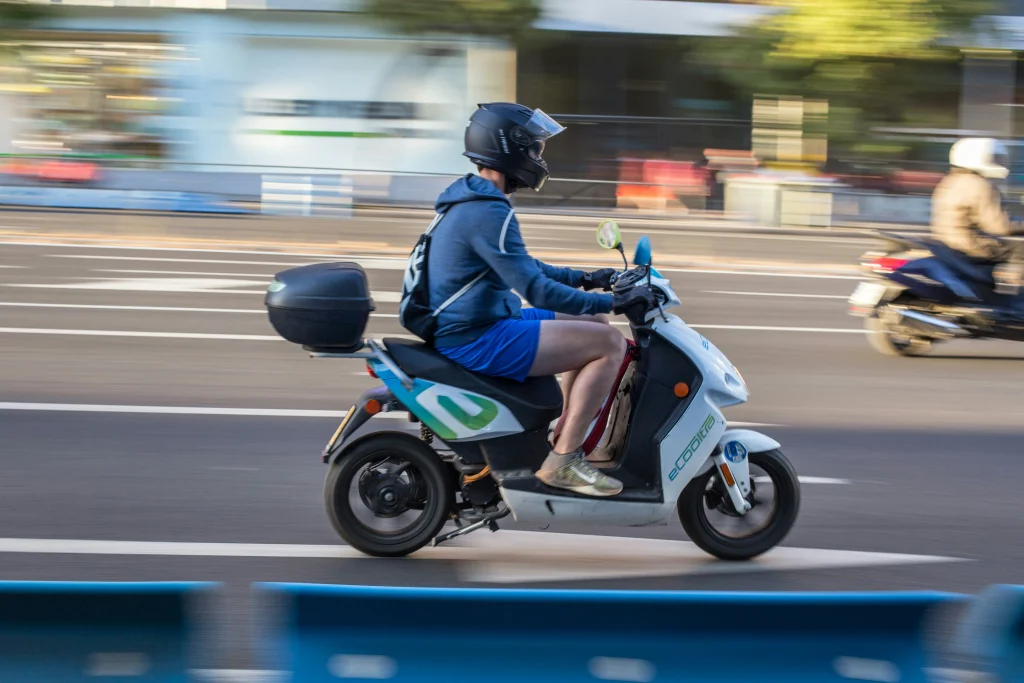
How do these safety standards impact motorcycle performance, weight, and costs?
Adding structural fire barriers, thicker aluminum shielding, and complex BMS wiring increases the total curb weight of light electric motorcycles slightly.
Energy density improvements in modern cell chemistry offset this structural weight penalty, keeping overall vehicle range competitive with traditional internal combustion engine bikes.
Manufacturing costs for fully certified battery packs rise initially due to expensive laboratory validation testing and specialized flame-retardant materials embedded between cells.
Read more: Battery Sharing Models Could Lower Electric Motorcycle Costs
Long-term consumer ownership costs decline as higher manufacturing quality standards drastically reduce warranty claims, thermal breakdown events, and premature pack replacements.
Standardized testing procedures build widespread consumer confidence, enabling insurance providers to offer lower premiums for fully certified electric two-wheelers.
Adopting stringent safety requirements ultimately elevates electric motorcycles from niche urban commuters to high-performance, weather-resistant vehicles suitable for global highway use.
Conclusion
Recognizing what New Safety Tests Mean for Electric Motorcycle Batteries confirms that rigorous regulatory validation creates safer, more durable, and reliable two-wheeled vehicles.
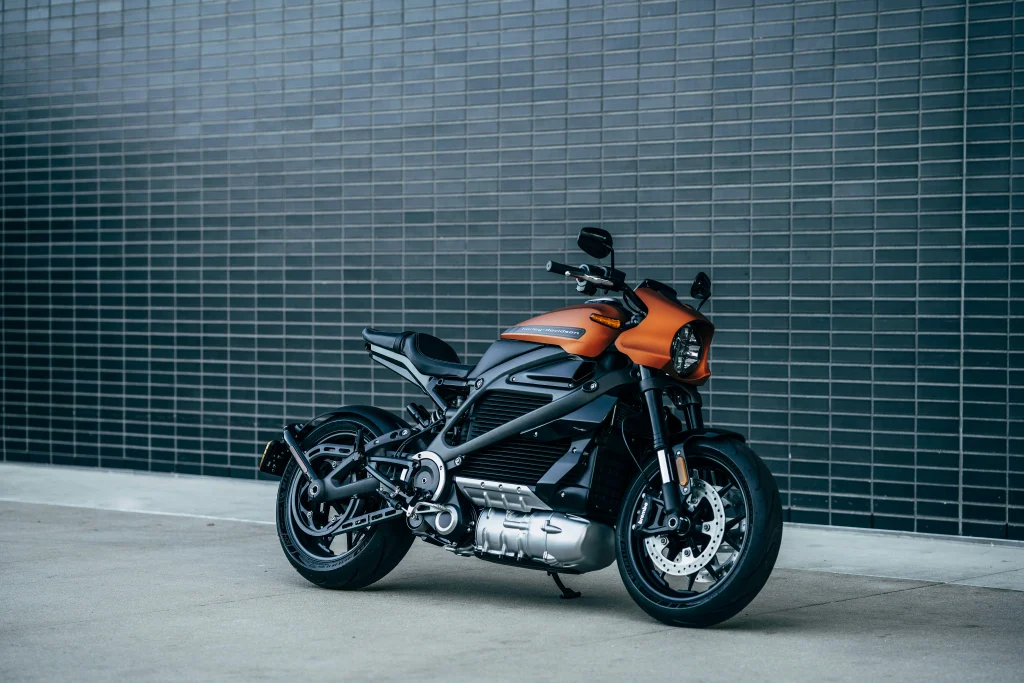
Learn more: Can Electric Motorcycle Frames Improve Crash Protection?
Implementing advanced thermal mitigation, rugged mechanical enclosures, and smart monitoring ensures electric motorcycles deliver high performance without compromising rider safety on modern roadways.
Frequently Asked Questions (FAQ)
Do new safety tests make electric motorcycle batteries heavier?
Yes, incorporating fire-retardant insulation, thicker casing walls, and protective potting compounds adds minor weight, but advancing cell energy density mitigates the overall impact on range.
Can an electric motorcycle battery survive heavy rain or deep puddles?
Fully certified packs undergo rigorous IP67 or IP69K ingress testing, ensuring that water cannot enter the high-voltage housing during deep water crossings or heavy rain storms.
How do new safety tests prevent battery fires during fast charging?
Updated standards require BMS software to monitor cell temperatures continuously, automatically throttling charge currents or disconnecting power if thermal thresholds are exceeded.
