
Offshore Cable Delays Slowing Renewable Energy Projects
Recent industrial reports indicate that Offshore Cable Delays Slowing massive wind farm construction timelines have emerged as the most critical bottleneck threatening global decarbonization schedules in 2026.
Maritime high-voltage direct current systems form the literal backbone of subsea power transmission, connecting isolated oceanic turbines to continental terrestrial grids.
A severe structural mismatch between surging clean energy mandates and restricted subsea cable manufacturing capacity stalls vital infrastructure asset deployment across several coastal nations.
This investigative analysis breaks down the root logistics failures, evaluates macroeconomic impacts on energy transition goals, and highlights engineering solutions resolving subsea transmission constraints.
What are the primary drivers of subsea transmission infrastructure bottlenecks?
The engineering complexity involved in extruding miles of seamless, ultra-high-voltage subsea cabling requires specialized factories that take several years to construct and commission.
A handful of tier-one manufacturing entities control the global supply market, creating a structural monopoly that struggles under the weight of unprecedented procurement queues.
Simultaneously, specialized cable-laying vessels equipped with heavy-duty dynamic positioning systems and massive internal carousels face extreme deployment scarcity worldwide.
Maritime operators report multi-year backlogs for these technical ships, leaving completed turbine arrays stranded in deep water without connection infrastructure to transmit generated electricity.
Geopolitical friction and protectionist trade frameworks further complicate procurement, as countries restrict raw material exports like ultra-pure copper and specialized insulating polymers.
The realization that Offshore Cable Delays Slowing green transition targets require sweeping industrial policy interventions has prompted deep regulatory reassessments among major energy ministries worldwide.
How do logistics blockages alter project economics for utility developers?
Extended project delays force green energy developers to incur substantial idling fees for offshore construction equipment and chartered support vessels.
Financial institutions adjusting risk parameters for maritime energy infrastructure demand higher interest rates on credit facilities to compensate for prolonged revenue deferral windows.
These compounding fiscal pressures compress net profit margins, occasionally driving marginal projects into complete economic unviability before offshore installation work even begins.
Power purchasing agreements signed years earlier under different economic assumptions become difficult to honor when construction phases extend far beyond original estimates.
| Grid Infrastructure Component | Average Procurement Lead Time | Primary Supply Chain Bottleneck | Strategic Mitigation Action |
| HVDC Export Cables | 36 to 48 months | Specialized manufacturing plant scarcity | Long-term framework agreements |
| Cable-Laying Vessels | 24 to 30 months | Global fleet capacity constraints | Early vessel charter mobilization |
| Subsea Junction Boxes | 18 to 24 months | Advanced semiconductor shortages | Component technical standardization |
| Landfall Substation Transformers | 28 to 36 months | High-grade electrical steel deficits | Multi-project bulk purchasing models |
Why are standardized cable designs crucial for accelerating project timelines?
Custom engineering specifications traditionally demanded by individual utility developers prevent manufacturers from utilizing efficient, continuous-run production methodologies in their factories.
Transitioning toward unified industry standards for voltage thresholds and core insulation dimensions allows extrusion lines to operate continuously without expensive retooling downtime.
Standardization also simplifies the training process for maritime installation crews and speeds up regulatory safety certifications across varying international maritime jurisdictions.
To analyze long-term offshore wind deployment statistics, grid integration studies, and international policy recommendations, the database of the International Renewable Energy Agency (IRENA) provides exceptional resources.
Implementing modular subsea jointing technologies enables field engineers to repair damaged lines using generic components rather than waiting for custom-fabricated factory parts.
Mitigating the reality of Offshore Cable Delays Slowing global energy investments depends heavily on abandoning bespoke engineering in favor of scalable, mass-produced grid components.
Which alternative transmission technologies can alleviate near-term supply strain?
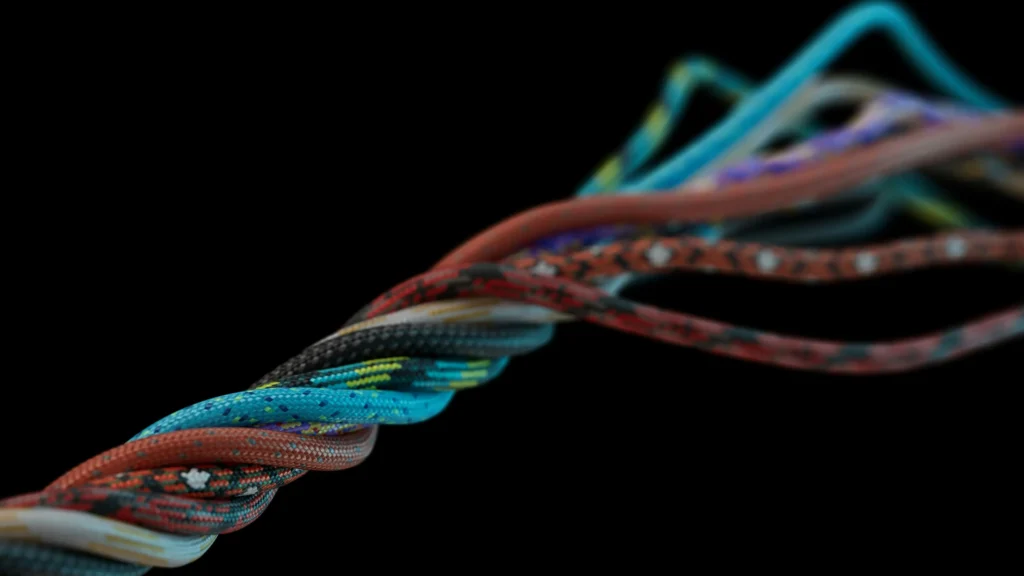
Deploying high-voltage alternating current solutions over shorter distances bypasses the highly congested manufacturing queues associated with complex direct-current converter stations.
While alternating current suffers higher transmission losses over extensive distances, it serves as a viable stopgap measure for near-shore wind developments.
Learn more: The Hidden Inefficiencies in EV Charging — From Cable Resistance to Inverter Losses
Advanced floating substation platforms equipped with integrated energy storage systems help stabilize local power outputs before transmission occurs, reducing structural strain on existing lines.
Some forward-thinking consortiums are exploring localized green hydrogen production directly on offshore platforms, converting electrical energy into gas to eliminate underwater cables entirely.
These technological pivots require significant capital deployment but offer alternative pathways to commercialization for developers trapped in decade-long cable procurement queues.
Diversifying transmission methods insulates clean energy portfolios against single-point-of-failure logistics vulnerabilities, stabilizing consumer utility pricing during periods of intense geopolitical instability.
When will expanded domestic manufacturing facilities come online to balance supply?
Industrial consortia have broken ground on major high-voltage cable manufacturing centers across North America and Western Europe to reduce heavy reliance on Asian supply chains.
These capital-intensive factories are projected to reach optimal production velocity within the next twenty-four to thirty-six months, gradually easing global capacity shortfalls.
Read more: Energy Offshore Cable Bottlenecks Growing
Governmental bodies are accelerating zoning approvals and providing tax credits to developers who utilize locally manufactured components in offshore lease areas.
Understanding how Offshore Cable Delays Slowing regional decarbonization models can be mitigated by domestic manufacturing clusters helps sovereign states secure energy independence.
Tracking long-term energy generation data, grid reliable constraints, and regional infrastructure investment funding frameworks within domestic boundaries can be monitored via the U.S. Energy Information Administration (EIA).
The convergence of public capital and targeted regulatory relief will eventually restore equilibrium to the overextended maritime supply chain ecosystem.
Resolving infrastructure bottlenecks to unlock clean energy potential
Overcoming the structural grid bottlenecks impeding the expansion of maritime power arrays represents a defining challenge for global industrial engineering networks.
Learn more: Truck Liquid Cooled Cable Systems Scaling
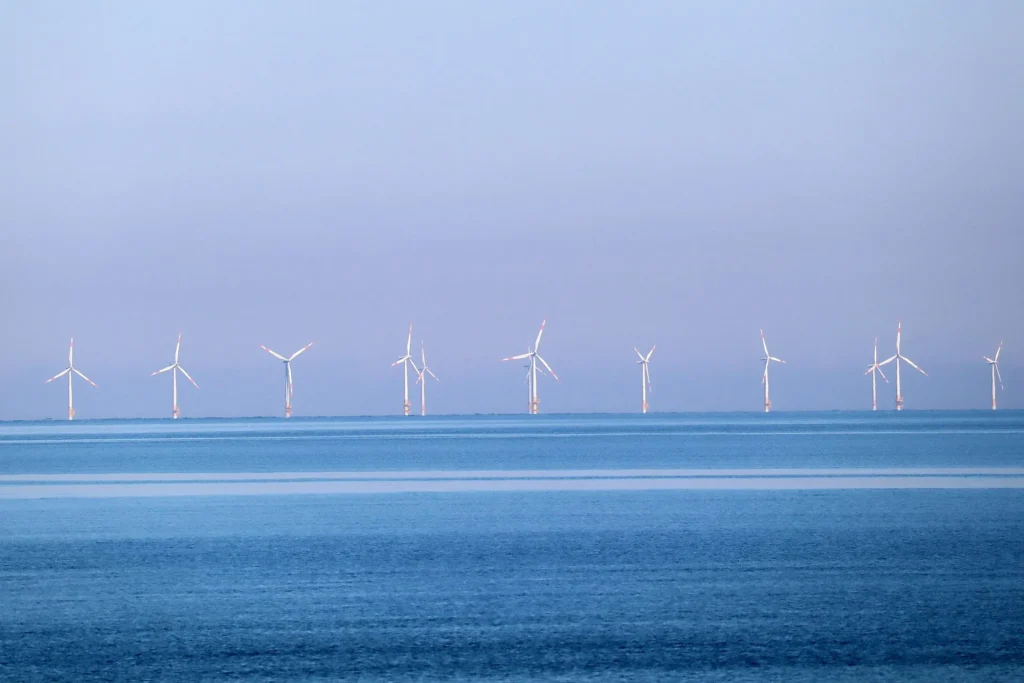
The transition toward sustainable energy sources requires more than manufacturing clean generation components; it demands the robust integration of resilient subsea transmission systems.
Support proactive grid infrastructure investments, champion technical design standardization initiatives, and encourage workforce development programs within the maritime engineering sectors.
Overcoming these distribution hurdles ensures that clean, oceanic electricity can flow reliably to global population centers, securing a sustainable future.
Frequently Asked Questions about Offshore Cable Systems
What causes physical damage to subsea cables during active operations?
Commercial fishing trawler anchors and maritime shipping activities represent the primary causes of physical damage, necessitating deep seabed burial protocols.
How deep are offshore export cables buried beneath the ocean floor?
Installation vessels typically bury export lines between one and three meters beneath the seabed, utilizing automated underwater trenching ROVs.
Can high-voltage direct current lines run safely through marine protected areas?
Yes, modern insulation shielding minimizes electromagnetic field emissions and heat dissipation, preventing disruption to sensitive local marine ecosystems.
What is the average operational lifespan of a subsea transmission system?
Engineers design modern maritime cables to operate continuously for thirty to forty years, assuming adherence to regular preventative maintenance schedules.
