
Highway Fast Charging Speed Plateau Above Eighty Percent
Optimizing your route requires understanding how Highway Fast Charging Speed changes drastically once an electric vehicle battery pack reaches eighty percent capacity.
This technical deceleration puzzles many new drivers, yet managing this performance shift remains paramount for minimizing total long-distance travel times.
Strategic charging habits allow electric car owners to bypass unnecessary delays at public corridors, maximizing regional transit efficiency across modern highway networks.
To ensure your next road trip remains highly efficient, we structured a technical guide explaining this electrochemical phenomenon.
Why Does Charging Decelerate Sharp After Eighty Percent?
Understanding this sudden power drop requires imagining a busy parking lot where the remaining empty spaces become increasingly difficult to find.
During the initial stages of replenishment, lithium ions flow rapidly into a nearly vacant anode without generating significant internal resistance.
As the battery cell density approaches maximum capacity, finding a secure chemical landing spot becomes much harder for those remaining ions.
Forcing energy into a highly concentrated structure generates immense localized heat, which threatens the microscopic integrity of cell walls.
According to battery safety studies published by the Society of Automotive Engineers, software safeguards lower the incoming current to prevent catastrophic thermal runaway.
This protective reduction preserves your vehicle’s long-term driving range, even though it extends your temporary stay at public stations.
How Do Battery Management Systems Control Energy Flow?
The onboard computer constantly monitors temperature, voltage variance, and individual cell resistance to adjust incoming kilowatts dynamically every second.
This automated oversight utilizes distinct protocols known as constant current and constant voltage stages to optimize the replenishment cycle.
During the first phase, the machine accepts a massive electrical current, pushing the state of charge up as quickly as possible. Once voltage limits hit their ceiling around eighty percent, the vehicle switches to constant voltage mode, tapering current down.
Maintaining a maximum Highway Fast Charging Speed past this threshold would permanently damage the internal lithium chemistry through a process called lithium plating.
This physical degradation permanently reduces total energy storage, forcing manufacturers to implement strict electronic limits.
When Is the Ideal Time to Unplug Your EV?
Maximizing road trip efficiency means realizing that staying plugged in until one hundred percent is rarely a smart logistical choice. The final twenty percent can take just as long to replenish as the initial seventy percent chunk did.
Drivers save valuable time by unplugging at eighty percent and returning to the highway to utilize a lower state of charge. This strategy ensures the battery pack always operates within its fastest energy absorption window at the next station stop.
| Electric Vehicle Model | Peak Intake Power (kW) | Power Past 80% Threshold (kW) | Average Time Added for Final 20% |
| Tesla Model Y (Long Range) | 250 kW | 42 kW | 25 Minutes |
| Hyundai Ioniq 5 (77.4 kWh) | 240 kW | 45 kW | 18 Minutes |
| Ford F-150 Lightning | 155 kW | 30 kW | 32 Minutes |
| Volkswagen ID.4 Pro | 135 kW | 35 kW | 28 Minutes |
Which Environmental Factors Modify This Performance Taper?
Ambient weather conditions and active cabin climate demands play significant secondary roles in determining how sharply your intake curve drops.
Extreme winter cold raises internal resistance before you even plug in, limiting initial speeds until cells warm up sufficiently.
Conversely, intense summer heat strains station cooling pumps, forcing the vehicle to divert incoming energy toward the internal air conditioning loop.
Learn more: Is Fast Charging Bad for Your EV Battery? Experts Explain
This diversion keeps the pack safe but reduces the net kilowatts directly contributing to expanding your driving range.
Planning around these thermal variables ensures realistic expectations regarding public infrastructure performance during cross-country summer or winter journeys.
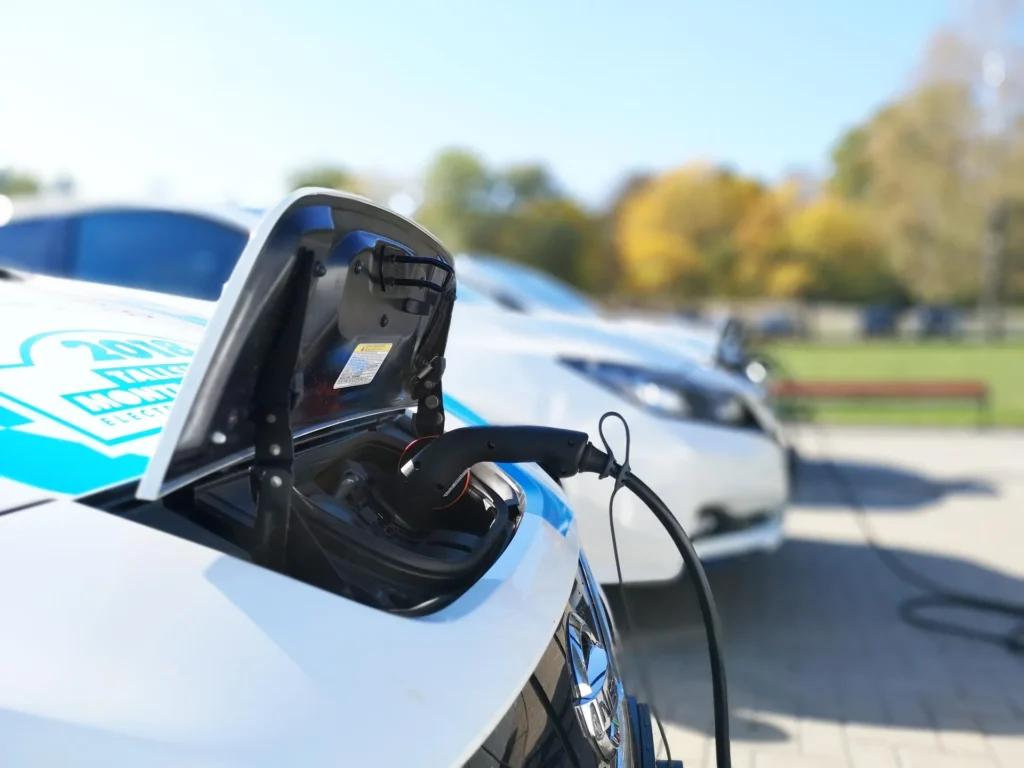
Consistent monitoring allows drivers to adapt their route spacing based on real-time energy consumption and station performance metrics.
What Long-Term Impact Does Fast Charging Have?
Repeated reliance on extreme high-power dispensers does generate incremental wear, but modern liquid-cooled management loops mitigate the worst damage effectively.
Utilizing these stations during occasional long-distance family road trips will not noticeably compromise your total expected component lifespan.
Read more: Why Fast Charging Efficiency Drops After 60% SOC: The Physics Behind Charging Curves Explained
The real danger occurs when owners regularly force power past the eighty percent mark while utilizing ultra-fast hardware daily. Giving the cells time to balance slowly at lower home alternating current speeds remains the healthiest practice for longevity.
Understanding how your specific car handles Highway Fast Charging Speed changes allows you to take control of your travel schedule.
Embracing the physics of energy storage eliminates charging anxiety, turning battery preservation rules into an advantage.
Structuring the Optimal Highway Transit Strategy
Embracing the natural rhythm of modern infrastructure transitions your road trips into predictable, stress-free experiences across any national highway.
Instead of waiting for a complete fill, treat your stops as quick, high-powered intervals designed for biological breaks.
Combine navigation apps with live station data to target locations offering amenities, making the short downtime productive for passengers.
Learn more: Electric Motorcycle Fast Charging vs Heat Tradeoffs
This methodology reduces highway congestion at busy hubs, keeping the charging network flowing smoothly for everyone.
To monitor emerging solid-state battery breakthroughs and changing national infrastructure standards, review technical updates hosted by the Alternative Fuels Data Center.
Staying informed on these technological shifts guarantees you remain a highly sophisticated operator in the electric age.
Frequently Asked Questions (FAQ)
Does this eighty percent speed drop happen on normal home chargers?
No, because alternating current home chargers operate at much lower power levels, typically between seven and eleven kilowatts total. The battery can safely accept this lower energy flow at a steady rate all the way up to completion.
Can I manually override the vehicle slowdown to save travel time?
No, the deceleration curve is hardcoded into the vehicle control software by engineering teams to ensure safety and preserve warranty metrics. There are no safe consumer methods to bypass these pre-programmed thermal protection systems.
Why do some electric vehicles maintain better speeds late in the cycle?
Vehicles utilizing advanced eight-hundred-volt architectures or unique lithium-iron-phosphate chemistry handle thermal stress better than older platforms. These specific configurations allow for slightly flatter curves, though some tapering still occurs near the end.
