
Dockside Infrastructure Driving Electric Transport Expansion
The evolution of modern Dockside Infrastructure Driving zero-emission maritime networks represents a foundational shift in global logistics and coastal environmental policy.
As maritime operators race to decarbonize their fleets, the historical focus on vessel design has shifted toward shoreline capabilities.
Ports are transforming from simple cargo gateways into highly complex, integrated smart energy hubs that feed battery-powered watercraft.
Building robust waterfront power solutions eliminates grid bottleneck vulnerabilities while ensuring fleet transitions remain commercially viable for shipping companies.
This analytical exploration reviews how high-voltage maritime charging systems support electrified passenger ferries, harbor tugboats, and short-sea cargo vessels globally.
What Is Dockside Charging and Cold-Ironing in Modern Ports?
Cold-ironing, technically known as alternative maritime power (AMP) or high-voltage shore connection (HVSC) systems, allows ships to turn off their diesel generators while berthed.
Instead of burning heavy fuel oil to power onboard cooling, heating, and lighting systems, vessels plug directly into the local electrical grid.
This process eliminates specialized auxiliary engine emissions entirely within dense coastal port boundaries, drastically lowering urban respiratory health risks.
Implementing these standardized electrical umbilical connectors provides a seamless operational transition for crew members managing tight turnaround schedules.
When considering fully battery-powered vessels, the shoreline hardware evolves from basic power supply lines into ultra-fast megawatt charging connections.
Specialized automated robotic arms now deploy heavy electrical couplers directly to arriving ships within seconds of mooring. These systems must deliver continuous multi-megawatt currents safely under extreme marine weather conditions, resisting salt corrosion and heavy tidal shifting.
Modern Dockside Infrastructure Driving short-sea shipping operations requires a careful combination of heavy mechanical engineering and automated telemetry communication systems.
How Do Automated Ports Manage Megawatt Grid Demands Safely?
Plugging multiple electric vessels into a local port facility simultaneously creates unprecedented spikes in regional electricity demand.
A single large hybrid passenger ferry can require over ten megawatts of continuous electricity during its short fifteen-minute passenger loading window.
If a port draws this immense energy directly from the local municipal utility grid, it risks causing severe voltage fluctuations. To safeguard local energy security, ports must build large-scale localized energy storage systems (BESS) directly behind the harbor line.
These stationary containerized battery banks act as a vital buffer, charging slowly during low-demand periods when local electricity prices drop.
When an electric ship berths, the on-site battery storage system discharges its accumulated energy rapidly into the hull. This localized storage technique prevents heavy industrial demand charges while allowing ports to integrate renewable energy like shoreline wind and solar arrays.
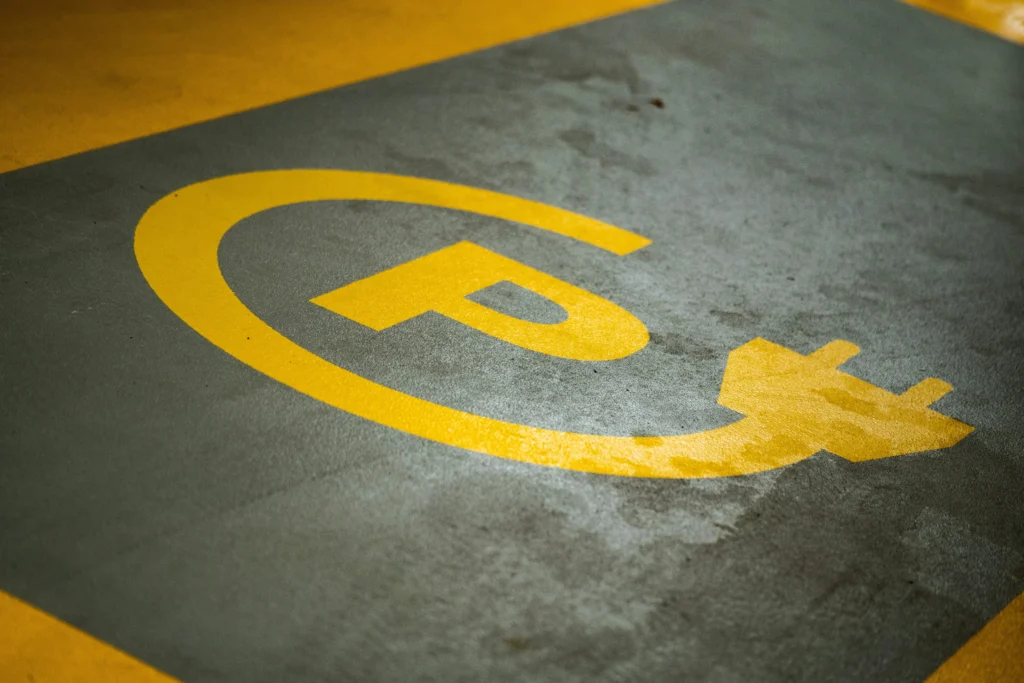
To evaluate the engineering frameworks governing these smart industrial microgrids, operators frequently analyze the technical standards published by the IEEE Power and Energy Society, which structures global electrical engineering protocols.
Technical Specifications of Coastal Fleet Electrification
Selecting the right onshore charging hardware depends entirely on the operational profile, battery capacity, and service cycles of specific harbor vessels.
Learn more: Electric Car Battery Cooling Plate Systems Growth
| Vessel Category | Typical Battery Capacity | Required Charging Power | Dockside Connection Type | Primary Operational Benefit |
| Urban Passenger Ferry | 1.5 – 4.0 MWh | 2.0 – 6.0 MW | Automated Bow/Stern Pantograph | Minimizes turnaround delays between routes |
| Harbor Maneuvering Tug | 2.5 – 5.0 MWh | 1.5 – 3.0 MW | High-Voltage Manual Plug System | Provides maximum torque without fuel use |
| Short-Sea Container Ship | 10.0 – 30.0 MWh | 5.0 – 15.0 MW | Robotic Crane Umbilical Arm | Enables zero-emission coastal freight corridors |
| Inland Transport Barge | 0.8 – 2.0 MWh | 0.5 – 1.5 MW | Standardized Shore Power Post | Lowers operating costs across canal networks |
Why Are Automated Connections Essential for Fleet Turnaround Times?
Commercial shipping profitability depends heavily on minimizing the total time a vessel spends sitting idle alongside a concrete pier.
Manual deployment of high-voltage industrial cables requires extensive ground crew coordination, strict safety clearances, and valuable operational time.
Automated charging connections solve this efficiency problem by utilizing laser-guided tracking systems to engage the ship before mooring lines lock.
These robotic systems complete the physical electrical connection in less than thirty seconds, maximizing actual energy transfer windows.
Read more: Battery Buffer Stations Supporting Electric Truck Fleets
Continuous telemetry data transmission between the ship and shore ensures the charger adjusts dynamically to real-time battery temperatures.
If a battery module shows early signs of thermal stress, the dockside computer lowers the current instantly without crew intervention.
This level of automated safety optimization allows commercial operators to maintain tight logistical sailing schedules without expanding their harbor workforce.
Embracing this advanced level of Dockside Infrastructure Driving marine fleet renewal helps logistics corporations meet strict carbon reduction milestones predictably.
Which Regulatory Frameworks Fuel Global Waterfront Power Investments?
Decarbonizing maritime transport is no longer a voluntary public relations strategy; it is a rigid legal mandate enforced by international bodies.
The International Maritime Organization (IMO) has set binding goals to slash greenhouse gas emissions from international shipping by at least 50% by mid-century.
Learn more: Transport Dockside Charging Port Expansion
Regional regulations, such as the European Union’s FuelEU Maritime initiative, actively penalize ships that fail to use shore power while berthed.
These compounding legal penalties turn waterfront electrical infrastructure investments into a critical economic shield for port authorities worldwide.
Furthermore, forward-thinking municipalities are providing extensive financial subsidies to port operators who proactively modernize their electrical substation capabilities.
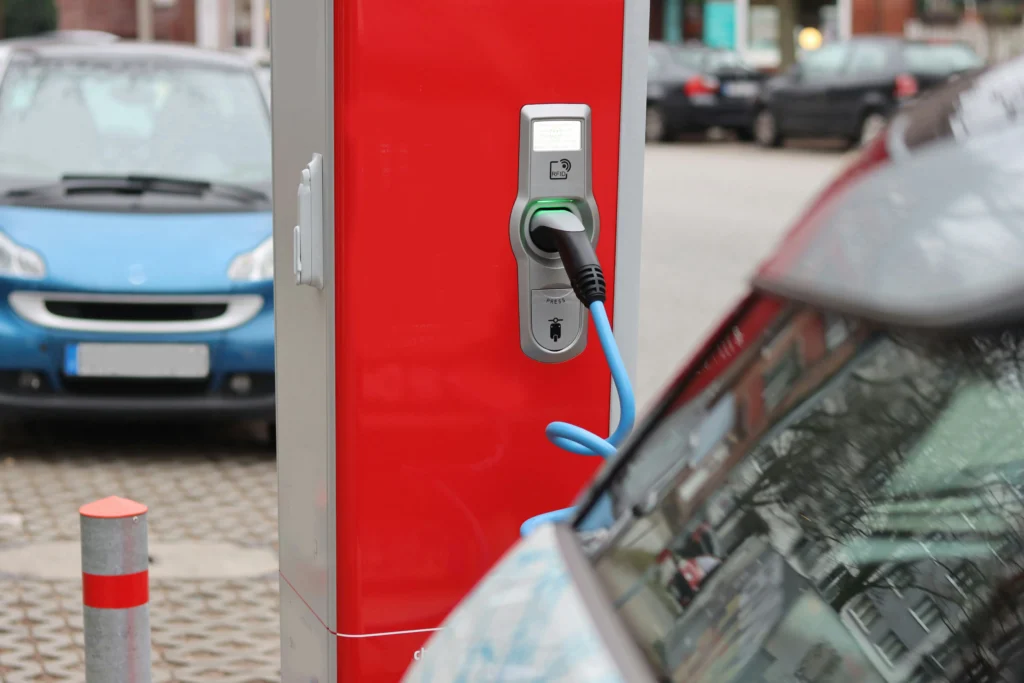
Upgrading terminal facilities attracts modern eco-conscious shipping lines, ensuring the local port remains a competitive node in global supply chains.
By establishing reliable, high-capacity charging corridors, coastal cities successfully isolate their local populations from heavy maritime industrial pollution.
This systematic convergence of policy, finance, and engineering ensures that clean maritime transport can scale sustainably across diverse oceanic trade lanes.
Frequently Asked Questions About Maritime Charging Networks
What is the primary difference between standard shore power and fast vessel charging?
Standard shore power provides steady electricity to operate internal hotel loads, like lights and cooling, while a vessel is parked. Fast vessel charging delivers much higher megawatt-level currents designed to completely replenish a ship’s primary propulsion batteries during brief stopovers.
How do maritime chargers prevent electrocution risks in wet marine environments?
System engineers utilize specialized galvanic isolation transformers, liquid-cooled cabling, and automated ground-fault monitoring software that cuts power instantly if moisture enters the connection. Physical electrical contacts remain completely sealed inside weatherproof housings until a vacuum lock is fully established.
Can old diesel-powered tugboats be retrofitted to utilize modern maritime charging networks?
Yes, many port operators are successfully retrofitting existing steel hulls by removing traditional diesel engines and installing modular battery racks. These retrofitted vessels utilize standardized dockside charging plugs, extending the operational lifespan of old harbor assets cleanly.
How do variable oceanic tides affect automated robotic charging arms?
Robotic charging arms feature advanced dynamic tracking sensors that continuously monitor the vessel’s pitch, roll, and changing vertical elevation. The automated mechanism moves fluidly alongside the ship’s natural tidal movements, ensuring constant contact alignment without placing stress on the plugs.
Powering the Next Era of Global Clean Seaborne Logistics
Transforming international shipping lanes requires an uncompromising commitment to scalable engineering, smart grid integration, and standardized plug interfaces.
Port authorities must continue collaborating closely with regional utility companies to guarantee that shore energy comes from renewable generation sources.
By treating terminal docks as dynamic energy distribution nodes, the maritime sector effectively decouples global trade from fossil fuel consumption.
This coordinated technological push ensures that coastal communities can enjoy thriving economic commerce alongside pristine, unpolluted air.
To examine ongoing public policy initiatives and technical data regarding transportation infrastructure funding, you can review the resource libraries hosted by the U.S. Department of Transportation, which documents federal clean energy transit investments.
Analyzing these large-scale infrastructure frameworks provides key insights into how public-private partnerships accelerate modern industrial modernization.
Maintaining a clear, data-driven perspective allows global logistics operators to navigate changing environmental mandates with total confidence. Invest in charging capabilities, automate harbor terminals, and secure your place in the clean energy future.
