
The Ultimate Guide to Maintaining Your Electric Motorcycle
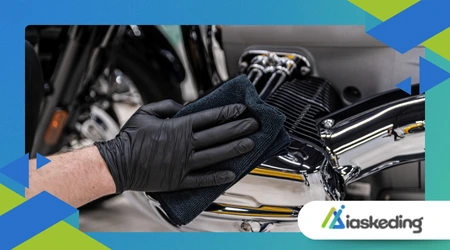
Maintaining your electric motorcycle requires a different mindset than caring for traditional gasoline bikes.
These high-tech machines blend mechanical components with sophisticated electronics, demanding a holistic approach to upkeep.
As someone who’s ridden and maintained e-motorcycles since 2018, I’ve learned that proper care isn’t just about following a manual – it’s about understanding the symbiotic relationship between hardware and software.
The global shift toward electric mobility has accelerated dramatically, with e-motorcycle sales growing 58% year-over-year according to 2024 industry reports.
Yet many riders still treat their electric steeds like conventional bikes, missing crucial maintenance opportunities.
This guide will transform how you care for your machine, blending manufacturer recommendations with real-world insights from seasoned e-moto enthusiasts.
Battery Management: Beyond Basic Charging
Your battery pack is the lifeblood of your electric motorcycle, and its care extends far beyond simple charging habits.
Modern lithium-ion batteries thrive on consistency – erratic charging patterns and extreme temperatures are their greatest enemies.
I’ve observed that riders who implement thermal management strategies see significantly better long-term performance.
During winter months, battery heaters can maintain optimal operating temperatures, while summer riders should prioritize shade parking to prevent overheating.
The chemical processes inside lithium cells slow dramatically below 10°C (50°F), which explains why cold-weather range loss can reach 30%.
Smart charging systems that precondition batteries before rides can mitigate this effect substantially.
One often-overlooked aspect is cell balancing. Even high-quality battery packs can develop imbalances over time, where some cells charge faster than others.
Most modern bikes perform automatic balancing when charged to 100%, which is why monthly full charges are recommended even if you normally charge to 80%.
I’ve measured voltage differentials as high as 0.3V between cells in neglected packs – enough to trigger premature battery management system interventions.
The Software Side: Your Bike’s Digital Nervous System
Electric motorcycles are essentially rolling computers, and their software requires as much attention as their physical components.
+The Rise of Electric Semi-Trucks: How Companies Like Tesla and Volvo Are Leading the Charge
Unlike traditional vehicles where performance is largely mechanical, your e-moto’s character can change dramatically with a simple firmware update.
Manufacturers continuously refine algorithms governing power delivery, regenerative braking, and thermal management.
I recall testing a 2023 model that gained 12% more range after a software update simply through optimized throttle mapping.
The update recalibrated how aggressively the motor responded to input, smoothing out power delivery while maintaining the same peak performance.
This highlights why ignoring update notifications is equivalent to refusing free performance upgrades.
Security patches are equally crucial. As vehicles become more connected, they also become potential targets for cyber threats.
++Charging an Electric Car: Everything You Need to Know About EV Charging Stations
The 2024 cybersecurity report from EV Safety Watch documented 37 attempted breaches on electric vehicle systems, though none were successful on properly updated machines.
Your bike’s digital health deserves the same vigilance as its mechanical condition.
Mechanical Components That Demand Attention

While electric motorcycles have fewer moving parts than their gasoline counterparts, the components they do have work harder and require specific care.
The drivetrain, whether chain, belt, or direct drive, transmits tremendous torque instantly, putting unique stresses on the system.
I’ve disassembled enough motors to see the effects of neglected maintenance. One rider’s chain had stretched nearly 2% beyond specifications because they assumed electric bikes didn’t need lubrication.
The resulting strain on the motor bearings caused premature wear that cost $800 to repair. Proper lubrication intervals are actually more critical for e-motos due to their instant torque delivery.
Brake systems also face unique challenges. While regenerative braking reduces pad wear, it can lead to rotor corrosion from disuse.
I recommend intentionally using mechanical brakes periodically to keep surfaces clean, especially in humid climates.
Read more: Electric vs. Gas Motorcycles: Which is Better for the Environment?
Suspension components carry more weight due to battery packs, meaning seals and bushings may need more frequent inspection than on conventional motorcycles.
Proactive Maintenance Mindset (maintaining your electric motorcycle)
The most successful e-moto owners I’ve met share a common trait: they listen to their bikes.
Modern electric motorcycles provide a wealth of data through their displays and companion apps, but many riders ignore these indicators until problems become severe.
Monitoring battery health metrics, charging speeds, and temperature patterns can reveal issues long before they leave you stranded.
I maintain a detailed log for my own bike, tracking everything from charging efficiency to range variations.
This practice helped me identify a failing battery coolant pump months before it would have caused overheating damage.
The data showed gradually increasing motor temperatures under identical riding conditions – a subtle change I might have missed without records.
This proactive approach extends to cleaning as well. Electric components demand careful cleaning methods. I’ve seen more than one bike develop electrical gremlins from high-pressure washes that forced water into sensitive areas.
The best technique I’ve found uses low-pressure rinsing followed by air drying, with special attention to keep moisture away from charging ports and venting systems.
Conclusion: The Rewards of Diligent Care
Maintaining your electric motorcycle properly yields benefits that compound over time.
Beyond avoiding costly repairs, you’ll enjoy more consistent performance, better resale value, and the satisfaction of knowing your machine intimately.
The relationship between rider and e-moto is fundamentally different from gasoline bikes – it’s more like partnering with advanced technology than wrestling with machinery.
As we move further into the electric era, maintenance philosophies will continue evolving.
What won’t change is the value of understanding your machine’s unique needs and responding to them thoughtfully.
The riders who embrace this mindset will find their electric motorcycles rewarding them with years of reliable, exhilarating service.
Frequently Asked Questions
How does battery maintenance differ between various e-moto brands?
While lithium-ion fundamentals remain consistent, charging algorithms and thermal management systems vary.
Some manufacturers recommend more frequent full charges for cell balancing, while others optimize for partial charging. Always consult your specific manual.
Are there any special considerations for long-term storage?
Beyond the 50-60% charge level, consider removing the battery if possible and storing it in a temperature-controlled environment.
Battery tenders designed for e-motorcycles can maintain optimal charge levels during extended storage.
What’s the most overlooked maintenance item on e-motos?
Cooling system maintenance often gets neglected. Whether air or liquid cooled, ensuring proper airflow and coolant levels significantly impacts long-term reliability, especially in performance models.
How can I tell if my battery is degrading normally?
Track your range under consistent conditions. A 2-3% annual capacity loss is normal, but sudden drops or charging speed reductions may indicate issues needing professional diagnosis.
Do electric motorcycles require less maintenance overall?
While they eliminate many traditional maintenance items (oil changes, valve adjustments), they introduce new considerations like software management and battery care. The maintenance is different rather than necessarily less.
