
Electric Motorcycle Battery Heat Under Track Riding
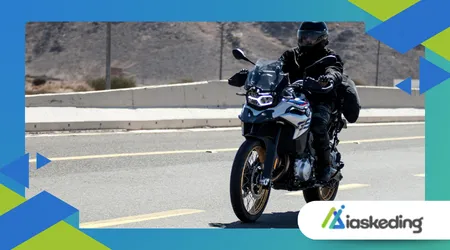
Understanding the impact of Battery Heat Under Track Riding is crucial for any rider looking to push the limits of electric performance while maintaining hardware longevity and safety.
High-speed circuit sessions demand continuous high-current discharge, which inevitably leads to significant internal resistance and heat.
This phenomenon, known as Battery Heat Under Track Riding, directly affects the motorcycle’s power delivery and range.
When temperatures exceed the optimal operating window, usually between 25°C and 45°C, the battery management system (BMS) intervenes.
This safety protocol reduces current to prevent permanent cell damage or thermal runaway events.
The heat generated isn’t just a byproduct; it is a physical barrier to consistent lap times. Riders often experience a “soft” power curve as the session progresses and heat accumulates.
Summary of Electric Performance Dynamics
- The Physics of Thermal Load: Why track sessions stress batteries.
- The Role of Chemistry: How Li-ion cells react to high discharge.
- Cooling Solutions: Passive vs. active thermal management systems.
- Performance Degradation: Understanding thermal throttling and power limits.
- Future Innovations: Solid-state developments and enhanced cooling for 2026.
Why Does Track Riding Generate Excessive Heat?t
Track environments require aggressive acceleration and regenerative braking, both of which force massive amounts of energy through the battery cells.
This constant cycling creates a rapid rise in Battery Heat Under Track Riding compared to street use.
Internal resistance within the lithium-ion cells converts a portion of that electrical energy into thermal energy.
Without adequate airflow or coolant circulation, this heat remains trapped within the dense battery pack structure.
++Why solid-state batteries are delayed — and how it impacts renewable expansion
Furthermore, ambient track temperatures and tarmac radiation contribute to the thermal load. On a hot summer track day, the baseline temperature of the pack starts higher, reducing your thermal overhead.
How Does Thermal Throttling Affect Lap Times?
Thermal throttling is the primary enemy of electric racing, as it forces the bike to limit top speeds. As Battery Heat Under Track Riding climbs, the BMS restricts the kilowatts available to the motor.
You might start a session with 100% power, but by lap five, the electronics may cut output by 20%. This leads to frustrating inconsistencies in braking markers and corner exit speeds for competitive riders.
Read more: How Riding Style Impacts Battery Health — Data From Real Users
Predictability is key on the track, yet heat makes the power delivery a moving target. Managing your “thermal budget” becomes as important as choosing the right racing line during long sessions.
Which Cooling Systems Manage Battery Heat Under Track Riding Best?
Current 2026 models utilize advanced liquid cooling circuits that snake between individual cells to extract heat.
These systems are far superior to air-cooled designs when managing Battery Heat Under Track Riding effectively.
Phase-change materials (PCM) are also becoming common, absorbing latent heat during spikes in energy demand.
These materials act as a thermal sponge, delaying the onset of power-robbing temperature peaks.
Thermal Management Comparison (2026 Models)
| Cooling Type | Efficiency | Weight Penalty | Best For |
| Passive Air | Low | Zero | Commuting / Light Trails |
| Active Air (Fans) | Moderate | Minimal | Occasional Track Days |
| Liquid Cooled | High | Moderate | Competitive Racing |
| Immersion Cooling | Ultra-High | Significant | Endurance Racing |
What Are the Long-Term Effects of Excessive Heat?
Repeated exposure to extreme Battery Heat Under Track Riding accelerates the degradation of the battery’s SOH (State of Health). Heat causes the SEI layer within the cells to thicken over time.
++Is Leasing an Electric Motorcycle a Good Idea?
This thickening increases internal resistance, creating a vicious cycle where the battery gets hotter even faster.
Eventually, the total energy capacity drops, meaning fewer laps per charge during your weekend outings.
Properly cooling the bike between sessions is vital for preserving your investment.
Utilizing paddock blowers or specialized cooling stations helps stabilize the internal chemistry before the next high-stress deployment.
When Should Riders Pause Due to Temperature?
Most modern electric motorcycles provide a dashboard indicator for “Power Limit” or a specific battery temperature gauge.
Monitoring these metrics prevents the Battery Heat Under Track Riding from reaching critical, damaging levels.
If your dashboard shows temperatures exceeding 55°C (131°F), it is generally time to enter the pits.
Explore more: What Is the Optimal Battery Temperature for Fast E-Motorcycle Performance
Continuing beyond this point offers diminishing returns in performance and risks triggering a full system shutdown.
Intelligent riders use “cool-down” laps, similar to gas bikes, but focused on low-current draw.
Rolling through corners without heavy “throttle” or “regen” allows airflow to dissipate some accumulated thermal energy.
How to Optimize Your Bike for Track Thermal Stability?
Software updates in 2026 allow riders to customize power maps to better manage Battery Heat Under Track Riding.
Reducing peak torque slightly can significantly extend the time before thermal throttling begins.
Ensuring that all cooling ducts are free of debris and that coolant levels are topped off is mandatory. Some enthusiasts even use reflective gold foil on battery casings to deflect radiant heat.
Weight management also plays a role; a lighter bike requires less energy to accelerate.
Reducing unsprung mass helps the powertrain operate more efficiently, indirectly keeping the battery pack within a safer temperature range.
Conclusion
Mastering the nuances of Battery Heat Under Track Riding is the difference between a frustrating afternoon and a successful track record.
As technology evolves toward solid-state batteries, thermal limits will likely expand, allowing for even longer sessions at full tilt.
For now, understanding your machine’s cooling limits and respecting the BMS remains the best strategy.
Professional riders balance aggression with thermal conservation to ensure they have power when the checkered flag nears.
FAQ (Frequently Asked Questions)
Does fast charging at the track increase heat issues?
Yes, DC fast charging generates significant heat before you even start your session. It is best to allow the battery to stabilize for 20 minutes after charging before heading out.
Can I bypass the BMS to stop power throttling?
Bypassing the BMS is extremely dangerous and voids all warranties. It removes the only safeguard preventing a catastrophic battery fire or permanent failure due to overheating during high-stress riding.
Does regenerative braking help or hurt battery heat?
While regen recovers energy, it is still a high-current event that generates heat. On very hot days, reducing regen levels can actually help keep the battery temperature lower for longer.
Is liquid cooling necessary for every electric motorcycle?
For street use, air cooling is often sufficient and saves weight. However, for consistent track performance, liquid cooling is practically a requirement to maintain power throughout an entire session.
How do solid-state batteries handle track heat?
Solid-state technology, emerging in late 2025 and 2026, is much more thermally stable. These batteries can operate at higher temperatures without the same risk of fire or rapid degradation.
