
Integrating Electric Buses into Public Transportation Networks
Cities worldwide are embracing sustainable urban mobility. At the forefront of this shift is the integration of electric buses into public transportation fleets. These zero-emission public transit vehicles are revolutionizing how we move through urban spaces.
Electric vehicle technology has advanced rapidly, making electric buses a viable and attractive option for cities. They offer numerous benefits, from cleaner air to quieter streets. As urban areas grow, the need for efficient, eco-friendly transit solutions becomes ever more pressing.
The global push towards electrification in public transport is gaining momentum. Cities are recognizing that electric buses not only reduce harmful emissions but also cut down on operating costs in the long run. This shift marks a significant step towards creating more livable urban environments for all.
Understanding the Need for Electric Bus Integration
Cities worldwide are turning to electric buses as a solution for climate change mitigation and urban sustainability. Traditional diesel buses contribute significantly to air pollution and noise in urban areas. The shift to electric public transport addresses these issues head-on.
Electric buses offer substantial benefits in air pollution reduction. They produce zero tailpipe emissions, improving air quality in densely populated areas. This shift is crucial for public health, as poor air quality is linked to respiratory diseases and other health issues.
Urban noise pollution is another challenge that electric buses help tackle. Their quiet operation creates a more pleasant urban environment, reducing stress levels for both passengers and pedestrians. Electric bus charging infrastructure is evolving to support this transition, ensuring efficient and reliable public transport.
“Electric buses are not just a trend; they’re a necessity for sustainable urban development.”
Governments and transit authorities are implementing policies to accelerate the adoption of electric buses. These initiatives often include:
- Financial incentives for transit agencies
- Mandates for zero-emission vehicles
- Investment in charging infrastructure
- Public-private partnerships for technology development
| Aspect | Diesel Buses | Electric Buses |
|---|---|---|
| Emissions | High CO2 and particulate matter | Zero tailpipe emissions |
| Noise Level | High | Low |
| Fuel Efficiency | Lower | Higher |
| Maintenance Costs | Higher | Lower |
The integration of electric buses is a critical step towards creating sustainable, livable cities. It addresses key urban challenges while providing efficient public transportation options for communities.
Electric buses in public transport: Infrastructure Requirements
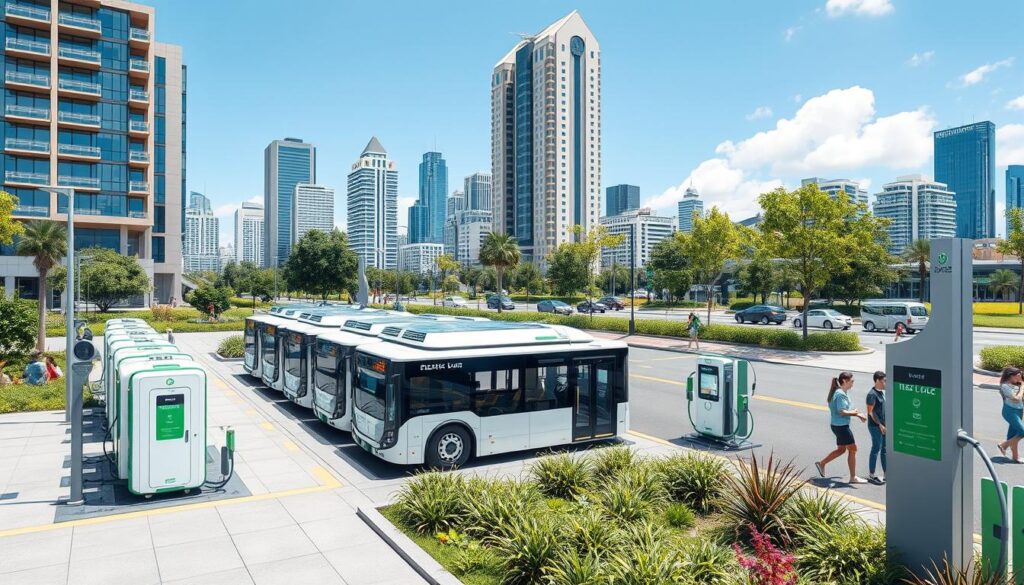
Introducing electric buses to public transport networks requires substantial infrastructure changes. The backbone of this transition lies in the installation of charging stations. These stations need to be strategically placed at bus depots and along routes to ensure uninterrupted service.
Grid upgrades play a crucial role in supporting the increased power demand from electric buses. Local utility companies must assess and enhance the existing power infrastructure to handle the additional load. This often involves upgrading transformers, power lines, and substations.
Depot modifications are another key aspect of the transition. Existing bus facilities need to be revamped to accommodate charging equipment, maintenance tools, and safety measures specific to electric vehicles. This may include:
- Installing high-capacity charging units
- Upgrading electrical systems
- Creating dedicated maintenance areas for electric buses
- Implementing safety protocols for high-voltage equipment
Urban environments present unique challenges in implementing these changes. Limited space, zoning regulations, and the need to minimize service disruptions during upgrades can complicate the process. Transit agencies must work closely with city planners, utility companies, and community stakeholders to find innovative solutions.
“The transition to electric buses is not just about the vehicles. It’s a comprehensive overhaul of our transit infrastructure that will shape the future of urban mobility.”
By addressing these infrastructure requirements, cities can pave the way for cleaner, more efficient public transportation systems that benefit both residents and the environment.
Charging Solutions and Power Management
Electric bus fleets require robust charging solutions to keep them running smoothly. Fast charging stations at terminals provide quick top-ups between routes, ensuring minimal downtime. Overnight charging at depots allows for longer charging sessions, maximizing battery life and preparing buses for the next day’s service.
Smart grid technology plays a crucial role in power management for electric bus networks. It optimizes charging schedules, balancing energy demand across the fleet and reducing strain on the electrical grid. This intelligent system can prioritize charging based on route requirements and available power capacity.
Integrating renewable energy sources into charging infrastructure further enhances sustainability. Solar panels on depot roofs or wind turbines near charging stations can provide clean energy for bus fleets, reducing reliance on fossil fuels and lowering operational costs.
| Charging Method | Advantages | Challenges |
|---|---|---|
| Fast Charging | Minimal downtime, extended range | Higher infrastructure costs, potential battery stress |
| Overnight Charging | Lower electricity rates, longer charging time | Limited daytime charging options |
| Opportunity Charging | Flexible charging during breaks | Requires strategic placement of chargers |
By implementing a mix of charging strategies and leveraging smart grid technology, transit agencies can create efficient and reliable electric bus networks that meet the demands of modern public transportation.
Route Planning and Fleet Optimization
Optimizing electric bus operations requires strategic route planning and fleet management. Transit agencies must address range anxiety by carefully mapping routes that align with vehicle capabilities. This involves analyzing topography, traffic patterns, and passenger demand to maximize energy efficiency.
Data analytics and AI play crucial roles in improving electric bus performance. By collecting real-time data on vehicle status, operators can implement predictive maintenance systems. These systems anticipate potential issues before they cause breakdowns, reducing downtime and maintenance costs.
Energy efficiency is a key factor in fleet optimization. Transit agencies can use advanced software tools to analyze power consumption patterns and optimize charging schedules. This ensures buses are charged during off-peak hours when electricity rates are lower, reducing operational costs.
“Effective route planning and fleet optimization are essential for maximizing the benefits of electric buses in public transportation.”
To illustrate the impact of route planning on electric bus operations, consider the following comparison:
| Metric | Optimized Routes | Non-Optimized Routes |
|---|---|---|
| Daily Range | 250 miles | 180 miles |
| Energy Consumption | 1.5 kWh/mile | 2.1 kWh/mile |
| Maintenance Frequency | Every 12,000 miles | Every 8,000 miles |
| Passenger Satisfaction | 92% | 78% |
By focusing on route planning and fleet optimization, transit agencies can significantly improve the performance and reliability of their electric bus fleets, leading to better service for passengers and reduced operational costs.
Training and Maintenance Protocols
Integrating electric buses into public transit systems requires a skilled workforce. Electric vehicle technicians play a crucial role in maintaining these advanced vehicles. Transit agencies must invest in comprehensive driver training programs to ensure safe and efficient operations.
Safety procedures are paramount when working with high-voltage systems. Technicians need specialized training to handle electric bus maintenance safely. Many agencies partner with manufacturers and educational institutions to develop tailored training programs.
Driver training focuses on:
- Efficient acceleration and braking techniques
- Understanding regenerative braking systems
- Maximizing range through energy-saving driving practices
- Proper charging procedures
Maintenance staff require new skills, including:
- High-voltage system diagnostics
- Battery management and replacement
- Electric motor maintenance
- Charging infrastructure upkeep
“The transition to electric buses demands a workforce transformation. We’re not just changing vehicles; we’re upgrading our entire skill set.”
As the industry evolves, specialized electric vehicle technician roles are emerging. These professionals bridge the gap between traditional mechanics and electrical engineering, ensuring the reliability and longevity of electric bus fleets.
Financial Models and Funding Options
Integrating electric buses into public transportation networks requires careful financial planning. The total cost of ownership for electric buses often proves lower than traditional diesel buses over their lifetime. This includes initial purchase, fuel costs, maintenance, and environmental impact.
Government incentives play a crucial role in making the switch to electric buses feasible for many cities. These incentives can include tax breaks, grants, or subsidies that offset the higher upfront costs of electric vehicles.
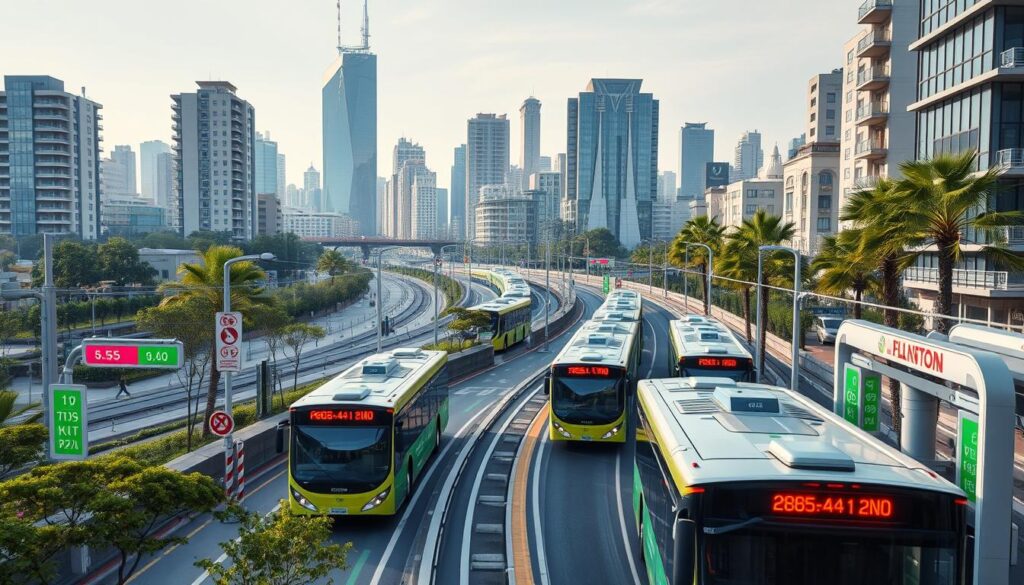
Public-private partnerships have emerged as a popular funding model for electric bus projects. These collaborations allow cities to leverage private sector expertise and capital while maintaining public oversight of transportation services.
| Funding Source | Advantages | Challenges |
|---|---|---|
| Government Incentives | Reduces upfront costs | May be limited or temporary |
| Public-Private Partnerships | Shares financial risk | Complex negotiations required |
| Municipal Bonds | Low-interest financing | Requires voter approval |
Cities like Los Angeles and Chicago have successfully implemented electric bus fleets through a mix of these funding strategies. Their experiences show that while initial costs are high, long-term savings and environmental benefits make electric buses a smart investment for public transit systems.
Conclusion
The integration of electric buses into public transportation networks marks a pivotal shift in the future of public transport. This clean energy transition promises to reshape our cities and improve urban living. As we’ve explored, the move towards electric buses brings both challenges and opportunities for sustainable urban development.
From infrastructure upgrades to new charging solutions, the path to electrification requires careful planning and investment. Route optimization and fleet management strategies will play crucial roles in maximizing the benefits of this technology. The financial models and funding options discussed highlight the importance of public-private partnerships in driving this change.
Looking ahead, the widespread adoption of electric buses will contribute significantly to cleaner air, reduced noise pollution, and lower carbon emissions in our cities. This transformation aligns with global efforts for sustainable urban development and positions public transport at the forefront of the clean energy transition. It’s time for communities to embrace this change and work together to create a greener, more efficient future for urban mobility.
FAQ
What are the main benefits of integrating electric buses into public transportation networks?
How do electric buses compare to traditional diesel buses in terms of environmental impact?
What infrastructure changes are needed to support electric bus fleets?
What are the different charging strategies for electric buses?
How can route planning and fleet optimization address range anxiety for electric buses?
What new skills are required for operating and maintaining electric bus fleets?
How do the costs of electric buses compare to conventional buses?
Are there government incentives available for transitioning to electric buses?
How can cities integrate renewable energy sources with electric bus charging infrastructure?
What role do public-private partnerships play in electric bus integration?
