
E-Bikes Wear Out Brake Pads Faster Than Traditional Bikes
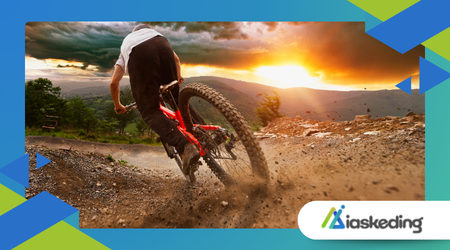
E-Bikes Wear Out Brake Pads Faster Than Traditional Bikes due to a combination of increased kinetic energy, heavier frame weights, and higher average cruising speeds.
While a standard bicycle relies purely on human power, the integrated motors and batteries of electric models create a high-friction environment that demands more from stopping components.
This article explores why this happens and how the industry is evolving to solve it.
Summary
- The Physics of Friction: Understanding why weight and speed accelerate component degradation.
- Heat Management: How increased thermal loads impact pad longevity and safety.
- Manufacturer Innovations: Exploring ABS systems, larger rotors, and new metallic compounds.
- Maintenance Strategies: Tips to extend the life of your braking system.
- Data Comparison: A look at wear cycles across different bike categories.
What causes rapid brake pad wear on electric bicycles?
The primary reason E-Bikes Wear Out Brake Pads Faster Than Traditional Bikes is the sheer mass of the vehicle.
A typical electric bike weighs between 45 and 75 pounds, nearly double the weight of a standard aluminum road bike.
When you add the rider’s weight, the braking system must dissipate significantly more energy to bring the machine to a complete halt.
Furthermore, e-bike riders maintain a higher average speed, often hovering around 20 mph. Decelerating from these speeds requires aggressive friction, which generates intense heat.
++How Battery Pack Geometry Influences Center of Gravity in Electric Motorcycles
This heat quickly glazes organic pads, leading to a loss of stopping power and accelerated material loss. In urban environments with frequent stops, this effect is even more pronounced.
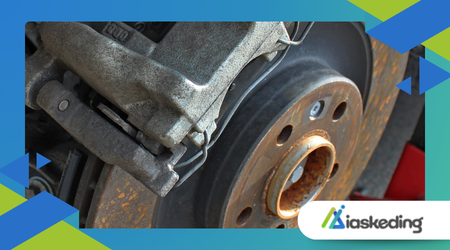
Why is heat dissipation a critical factor for e-bikes?
Every time you pull the brake lever, kinetic energy converts into thermal energy.
Because E-Bikes Wear Out Brake Pads Faster Than Traditional Bikes, they generate higher temperatures within the caliper and rotor assembly.
Excessive heat can cause “brake fade,” where the pads lose their grip on the rotor due to chemical changes in the friction material.
Manufacturers have noted that traditional rim brakes or small 160mm rotors are often insufficient for heavy e-cargo bikes.
Without proper cooling, the pads wear down to the metal backing plate in as little as 500 miles.
Read more: How E-Scooter Fleets Use Swappable Batteries to Reduce Logistics Costs
This creates a safety risk and increases the total cost of ownership for daily commuters who rely on their bikes for transportation.
How are manufacturers like Bosch and Shimano responding?
Leading component brands are not ignoring the fact that E-Bikes Wear Out Brake Pads Faster Than Traditional Bikes.
They are developing specialized hardware to handle these unique stresses.
Shimano, for instance, has introduced the CUES ecosystem, which utilizes LINKGLIDE technology to improve durability across the entire drivetrain and braking system.
Bosch has revolutionized the market with its eBike ABS (Anti-lock Braking System). By using sensors to prevent wheel lock-up, the system ensures more controlled deceleration.
++The Best Folding Electric Bikes for City Life
This doesn’t just improve safety; it optimizes the pressure applied to the pads, preventing the “panic braking” that often leads to premature and uneven wear on the friction surfaces.
According to latest industry reports from Bosch eBike Systems, integrated ABS can prevent up to 29% of accidents involving electric bikes while simultaneously managing brake force distribution.

Comparative Analysis: Brake Pad Lifespan by Bike Type
The following table illustrates the average expected mileage for brake pads based on 2026 industry benchmarks and field testing data.
| Bike Category | Average Weight (lbs) | Typical Pad Material | Estimated Lifespan (Miles) |
| Traditional Road Bike | 18–22 | Organic / Resin | 2,000 – 3,500 |
| Standard MTB | 30–35 | Semi-Metallic | 1,200 – 2,500 |
| Commuter E-Bike | 50–60 | Sintered / Metallic | 600 – 1,500 |
| E-Cargo / Delivery | 80+ | Heavy-Duty Ceramic | 400 – 1,000 |
Which brake pad materials are best for e-bikes in 2026?
Since E-Bikes Wear Out Brake Pads Faster Than Traditional Bikes, riders are moving away from organic (resin) pads. Organic pads are quiet but soft, making them vanish quickly under heavy e-bike loads.
Instead, the industry is pivoting toward sintered (metallic) and ceramic-infused compounds that offer better thermal stability.
Sintered pads are made of metallic particles pressed together under high heat. They provide consistent performance in wet conditions and handle the high-temperature friction of e-bikes without melting.
Ceramic compounds, once reserved for high-performance motorcycles, are also appearing on premium e-MTBs to provide maximum heat resistance and a quieter ride than pure metal.
What role does regenerative braking play in reducing wear?
Regenerative braking is a growing trend in the e-bike world, particularly for hub-motor systems.
This technology uses the motor to slow the bike down, converting kinetic energy back into electricity for the battery. This process significantly reduces the physical load on the mechanical brakes.
When the motor handles 30% of the deceleration, the friction pads stay cooler and last longer. However, most mid-drive e-bikes—the most popular configuration—cannot yet support effective regeneration.
For these riders, high-quality mechanical components remain the only line of defense against the reality that E-Bikes Wear Out Brake Pads Faster Than Traditional Bikes.
How can you extend the life of your e-bike brakes?
Proactive maintenance is the best way to combat the fact that E-Bikes Wear Out Brake Pads Faster Than Traditional Bikes.
Start by “bedding in” new pads; this involves performing several controlled stops to transfer a thin layer of pad material to the rotor.
This process creates a more efficient friction interface and prevents premature glazing.
Additionally, cleaning your rotors with isopropyl alcohol prevents oil and road grime from contaminating the pads.
Contamination reduces friction, forcing you to pull the levers harder, which generates more heat and wear.
Regularly checking the thickness of your pads—replacing them when they reach 1.5mm—will save your expensive rotors from being ruined by metal-on-metal contact.
Conclusion
It is an undeniable physical reality that E-Bikes Wear Out Brake Pads Faster Than Traditional Bikes. The combination of higher mass and greater velocity places a unique burden on the friction components.
However, with the advent of e-bike specific compounds, larger 203mm or 220mm rotors, and sophisticated ABS technology, the industry is successfully closing the gap in durability.
By choosing the right materials and maintaining a strict inspection schedule, you can ensure your electric ride remains safe and cost-effective.
As the technology continues to mature through 2026 and beyond, we can expect even smarter braking solutions that further minimize wear while maximizing rider control.
FAQ: Frequently Asked Questions
How often should I check my e-bike brake pads?
You should inspect your pads at least once a month or every 200 miles. Because e-bikes carry more weight, wear can accelerate quickly depending on the terrain and weather conditions.
Can I use regular bike pads on my e-bike?
While they may fit, it is not recommended. Standard pads are often too soft for the heat generated by e-bikes. Look for pads specifically labeled “E-Bike Ready” or “High-Torque.”
Why do my e-bike brakes squeak so much?
Squeaking is often caused by glazed pads from overheating or contamination from chain lube. Lightly sanding the pads and cleaning the rotors can often resolve the noise.
Does weight really affect brake wear that much?
Yes. Doubling the weight of the bike significantly increases the kinetic energy that must be converted into heat. This heat is the primary driver of rapid material degradation.
