
Liquid Cooled Connectors Powering Electric Truck Charging
Liquid Cooled Connectors Powering heavy-duty electric trucks represent a massive technological leap forward for the commercial transport industry.
This clean logistics transition requires specialized, high-power fleet infrastructure capable of rapidly replenishing large-scale battery packs.
The introduction of megawatt-level energy systems eliminates long operational downtime, turning electric long-haul logistics into a highly profitable reality.
Why do electric trucks require liquid cooling during charging?
Heavy-duty commercial fleets operate on tight delivery schedules where prolonged stationary downtime directly reduces logistics profitability.
While standard passenger electric vehicles charge effectively using conventional air-cooled systems, large Class 8 trucks demand unprecedented amounts of electrical current.
Passing thousands of amperes through standard copper conductors generates massive thermal resistance, driving terminal temperatures past safe operating thresholds.
Integrating innovative liquid cooled connectors powering high-current dispensers prevents terminal degradation, allowing charging systems to deliver constant energy safely.
According to technical standards published by the International Electrotechnical Commission, uncooled assemblies handling extreme currents become too heavy for drivers to lift.
Active liquid circulation allows manufacturers to reduce internal copper mass, ensuring the heavy-duty charging couplers remain lightweight and ergonomic.
How does active liquid cooling work inside a megawatt coupler?
Active thermal management systems circulate specialized fluids through dedicated internal channels directly surrounding the positive and negative power pins.
This continuous closed-loop cycle pulls heat away from critical contact points before the energy can cause structural material failures.
A centralized cooling unit inside the dispenser monitors real-time temperature fluctuations, adjusting fluid pump speeds dynamically during the session.
This precise engineering approach ensures that internal connector joints remain below the maximum thermal limits specified by safety agencies.
Logistics operators rely on these robust liquid cooled connectors powering fleet hubs to facilitate consecutive high-throughput charging sessions without system derating.
The advanced dielectric fluids prevent electrical shorts, maximizing operational uptime across busy industrial shipping corridors.
What are the technical specifications of Megawatt Charging Systems (MCS)?
The global transportation industry relies on standardized hardware architectures to guarantee universal interoperability across diverse heavy-duty commercial truck models.
The Megawatt Charging System framework utilizes specific voltage and current tolerances designed to replace slow, outdated charging networks.
Engineering teams analyze distinct operational variables when deploying high-power fleet networks, balancing raw energy throughput against localized grid capacity constraints.
The factual table below outlines the core mechanical and electrical benchmarks defining modern heavy-duty charging hardware:
| Technical Parameter | Standard Combined Charging (CCS) | Megawatt Charging System (MCS) |
| Maximum Current Rating | 500 Amperes | 3,000 Amperes |
| Maximum System Voltage | 1,000 V DC | 1,250 to 1,500 V DC |
| Peak Power Delivery | 0.5 Megawatts (MW) | 3.75 Megawatts (MW) |
| Cooling System Requirement | Passive Air / Optional Liquid | Mandatory Active Liquid Loop |
| Primary Communication Protocol | ISO 15118 | ISO 15118-20 (Plug & Charge) |
| Typical Cable Diameter | Greater than 50 mm (Uncooled) | 30 to 50 mm (Liquid-Cooled) |
When will fleet operators adopt these high-power charging networks?
Major logistics enterprises are already integrating high-power charging plazas into corporate fulfillment centers to manage incoming electric truck fleets.
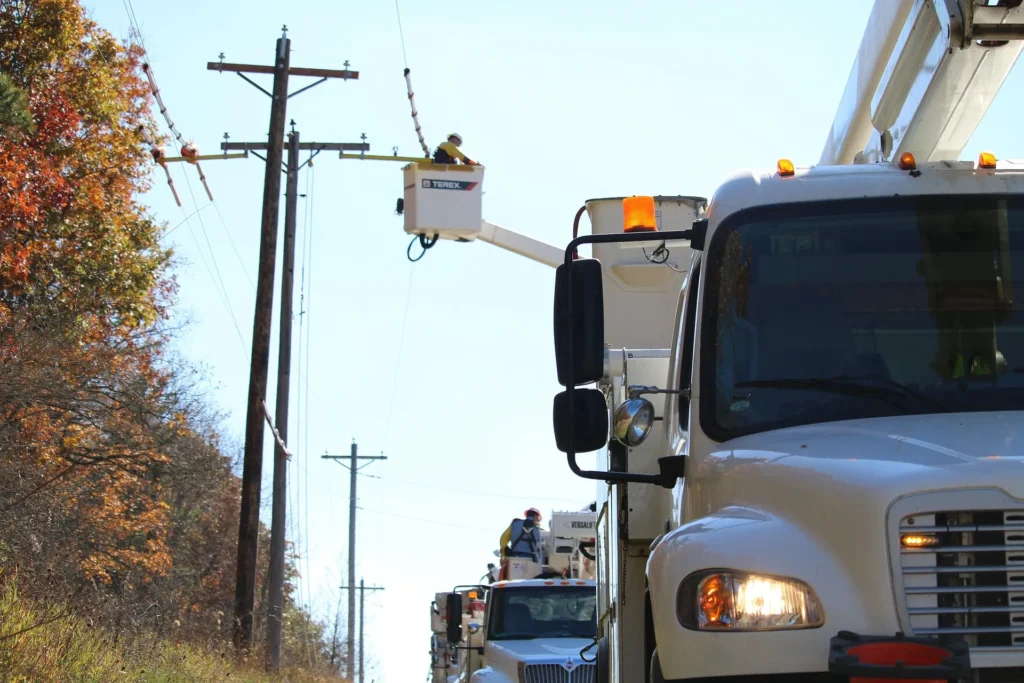
Global logistics providers are deploying these dynamic liquid cooled connectors powering industrial depots to achieve zero-emission transport goals.
Initial infrastructure rollouts focus heavily on high-traffic shipping corridors, connecting major marine ports with inland distribution warehouses.
Learn more: Truck Liquid Cooled Cable Systems Scaling
Industry projections indicate that megawatt-scale infrastructure utilization will grow rapidly as manufacturers scale commercial electric truck manufacturing lines globally.
Commercial fleet managers must coordinate infrastructure installations with local utility providers to ensure regional grids support high-megawatt energy draws.
Integrating localized battery energy storage systems helps fleet depots buffer the high power demands, reducing expensive grid upgrade fees.
Which safety protocols protect operators during megawatt charging sessions?
Handling megawatt-level direct current requires advanced, multi-layered safety mechanisms that instantly mitigate electrical faults before they cause injuries.
Automated software handshakes verify structural component integrity and insulation resistance before the main power contactors close.
Read more: Highway Fast Charging Speed Plateau Above Eighty Percent
Built-in temperature sensors continuously track the thermal profiles of individual contact pins, flagging minor anomalies immediately to the dispenser.
If a cooling pump fails or a fluid channel becomes blocked, the system automatically drops the power output.
These durable liquid cooled connectors powering industrial hubs include mechanical interlocks that prevent accidental manual disconnection while high-voltage electricity flows.
This comprehensive protection framework allows fleet drivers to safely handle high-power hardware in variable outdoor weather conditions.
The final consensus on heavy-duty fleet charging evolution
The successful decarbonization of global logistics depends entirely on the widespread availability of reliable, ultra-fast charging infrastructure.
Integrating liquid-cooled thermal management components solves the critical trade-off between rapid power delivery and human handling ergonomics.
Learn more: Seasonal Storage Solutions Reshaping Renewable Energy

Commercial shipping operations will continue replacing diesel fleets as high-power charging corridors become readily available along major highways.
Investing in ruggedized, actively cooled charging systems ensures long-term operational resilience for the modern sustainable transport sector.
Frequently Asked Questions (FAQ)
What is the primary benefit of liquid-cooled cables over air-cooled alternatives?
Liquid-cooled cables handle up to six times more electrical current while remaining thin, flexible, and light enough for a single worker to operate easily.
Can these high-power connectors damage the electric truck battery pack?
No, because the vehicle’s onboard battery management system controls the incoming power levels, keeping temperatures and voltages within safe factory limits.
What types of fluids are used inside these active cooling loops?
Most modern systems utilize specialized water-glycol mixtures or advanced synthetic dielectric fluids that offer excellent thermal conductivity without conducting electricity.
How do automated interlocks protect fleet drivers from electrical arcs?
Mechanical and electronic interlocks completely isolate the primary high-voltage pins, ensuring power only flows when the coupler is fully locked into place.
To review detailed structural blueprints and official regulatory guidelines regarding high-voltage commercial vehicle coupler safety, industry professionals can consult compliance documentation on SAE International.
